Roadtrip Eurasia Car Tour with Auto Motor Sport2026-02-22T19:36:46+01:00
w0zza10
w0zza10
2018-10-08
Everest trip The trip was very well organized from the hotels to restaurant's,the staff were only to happy to help with any issues,each day was an adventure that got better every day THANKS to the crew.I will be doing another tour with this company.
mpolini
mpolini
2018-10-07
Motorbike trip through Tibet The most epic and enjoyable holidays ever experienced Everest was awesome,The whole crew was more than helpful very well planned and executed tour.Very highly recommend.
Jeff G
Jeff G
2018-10-06
Everest or bust 2018 We just completed a tour to Everest base camp from Lhasa with Hendrik and his crew. From start to finish was a trip of a lifetime. Everything was organised extremely well from the different types of foods to the monastery tours and of course the riding through breathtaking scenery and long winding roads each day. The backup crew and mechanics were brilliant and a special shout out to Jimmy the tour guide who’s knowledge of everything and helpfulness made the trip. “JIMMY, we love you man”😂😂We also met so lovely people touring with us that will be friends for life.
jolleyhich
jolleyhich
2018-10-06
Excellent guides and knowledge This tour was excellent right from the word go. The knowledge the guides had on all the areas we visited was very well informed and they didn’t hesitate to stop and explain any part if you had a question. The sights are incredible and I have already recommended the Lhasa to base camp tour to people. Thanks Hendrik, tashi, jimmy and all the rest of the crew that made this awesome time possible.
iXas
iXas
2018-09-28
Tibet Tour - Lhasa - Mount Everest - Lake Nam Tso - Lhasa amazing motorcycle tour for any skill level. all important sights were visited, amazing mountain passes, views, great food and cultural experience. With Tibetmoto everything is perfectly organised, all bikes are daily serviced, their is a mechanic and a jeep with the luggage following, so you do not need to worry about a heavy load on your motorcycle. the detailed information prior and during the trip are excellent and allow you to prepare your trip and gear correctly. Tibet and the tibetan culture is a most see on your "bucket list". riding on a motorcycle and experiencing Tibet so close up and real is "the icing". book early as there are limited motorcycles. Best riding time late spring or early autumn go for a life time ride with Tibetmoto
baromona
baromona
2018-09-28
2100 km durch Tibet Trans Tibet Motorrad Reise von Lhasa zum Everest Base Camp. Alles hat hervorragend geklappt und war gut organisiert. Das Wetter hat auch gepaßt, wir waren eine super Truppe. Die Tour führte uns durch wunderschöne Landschaften mit verdammt hohen Pässen, Hochebenen, verschneiten Gipfeln, türkisblauen Seen, Yak-Herden, Tempeln....und, und, und. Niemand hatte Probleme mit der Höhe, die 3 geplanten Akklimatisierungstage in Lhasa waren wichtig und ausreichend. Eine unvergessliche Reise! Danke Hendrik...:-)
Antoine B
Antoine B
2018-09-27
Superbes vues et un tour Visite typique de xizhou, magnifiques vues sur la montagne. Conduite agréable, la moto est de bonne qualité et bien entretenue, et le guide était super sympa et ses explications géniales. Le temps était le seul point négatif, mais n'a pas gêné tant que ça. Très bon rapport qualité
Gehrden
Gehrden
2018-09-24
Trans Tibet Motorbike Tour - Tibet with Everest Base Camp - Perfect Way to experience Tibet! I have had the pleasure to ride with the Tibetmoto team in Sep 2018 during their Trans Tibet Tour and I would recommend fully hearted to join any of their upcoming trips. A choice of Bikes in very good condition, beautiful roads, impressive landscapes, a knowledgable and helpful local guide, authentic accomodations and lunch/dining options and a very likeable, skillfull and supportive Tibetmoto Team (Hendrik, Tashi and the support crew). I trusted them right from the start and they accomodated any questions, concerns or proposals. If you look for a reliable tour operator with relevant local knowledge and the understanding for international guests - don’t look any further. I’ll definitely book another tour with them - just this says everything.
Manon C
Manon C
2018-09-23
Merveilleux moment à la découverte da Dali et du lac Nous avons eu la chance de découvrir Erhai a moto. notre guide à été adorable, il nous a conseillé et donné de bons conseils. Les paysages sont magnifiques et nous y avons bien mangé. Je recommande vivement!
Ard V
Ard V
2018-02-02
Torugart pass to Shanghai On a bright Sunday morning in April 2017, my 1983 Land Rover “Edna” and I started on a trip that would take us from the Netherlands to China, crossing over 5,300 meters high mountain passes. End July 2017 we arrived at the Torugart pass, the border between Kyrgyzstan and China. From here we drove over 9000 Km to Shanghai, thereby travelling through XinJiang province and along the Himalayas through Tibet. The China part of the ‘expedition’ was arranged with strong support from Tibetmoto, which is run by Hendrik Heyne and his team. In short, thanks to Tibetmoto, particularly when it came to handling red-tape in China, this trip has become an unforgettable lifetime experience. Travel through China using your own vehicle without a guide is not possible. (Apparently being accompanied by a guide was already compulsory during the time of the old Silk routes!) This holds particularly true for the more ‘sensitive provinces’. Having said that, the guides that we were provided with (Thubten and Tashe) are probably the best one can get for such a journey: Very knowledgeable, supportive and in plain English just great fun to have on board. On a trip such as this, things are bound to not always go exactly as planned (…). However, also when it came to difficult questions e.g. with regard to the arrangement of visa’s and permits, Tibetmoto proved to be an indispensable partner. I would highly recommend their organization to anyone planning an overland trip to China. Ard Van Gerdijk

Roadtrip Eurasia Car Tour

From Munich to the roof of the world by car!

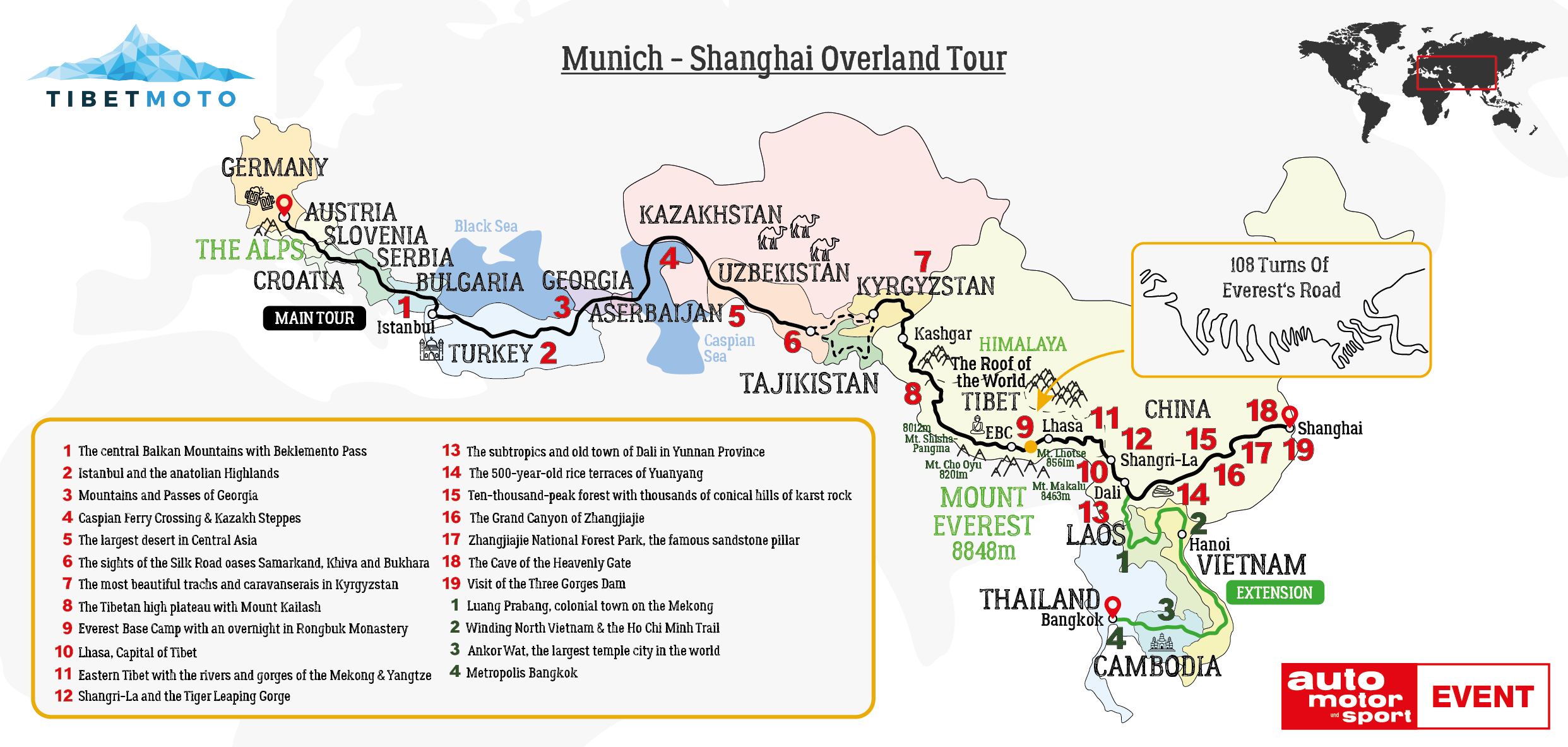
This superlative adventure takes the globetrotter from the dignified Bavarian city of Munich through the wild Balkans to Istanbul, the oriental pearl on the Bosporus. We climb the Anatolian highlands and reach the Turkish and Georgian Black Sea coast through deep gorges on winding roads. The route leads us through Georgia’s forested mountain ranges and rolling steppe, crossing the Caucasus into Azerbaijan. Ahead lies the Caspian Sea, where an overland highlight awaits: the ferry crossing to Kazakhstan, linking the Caucasus with the vast landscapes of Central Asia.
After crossing the Kazakh steppe we continue to follow the Silk Road to Bukhara, Samarkand and Kokand. From there we go through mountainous Kyrgyzstan and over the breathtaking Pamir Highway, one of the highest and most impressive roads in the world, which leads through the majestic landscape of the Pamir Mountains and offers unforgettable panoramic views. Finally, we cross the Torugart Pass and enter China.
Two hot days of driving along the Taklamakan, the desert of no return, take us to the foothills of the Kunlun mountain range with the 7,700 meter high Mt. Kongur, before we drive to the Tibetan plateau.

Read more

We cross the roof of the world from west to east and stop at Mount Kailash, which is sacred to the Tibetans, which is good for our karma. Then we drive along the seemingly endless shores of Lake Manasarovar before we reach the base camp of the highest mountain in the world. At an altitude of 5,200 meters, we have one of the most spectacular views in the world and the most winding roads and passes in all of Asia right in front of us.
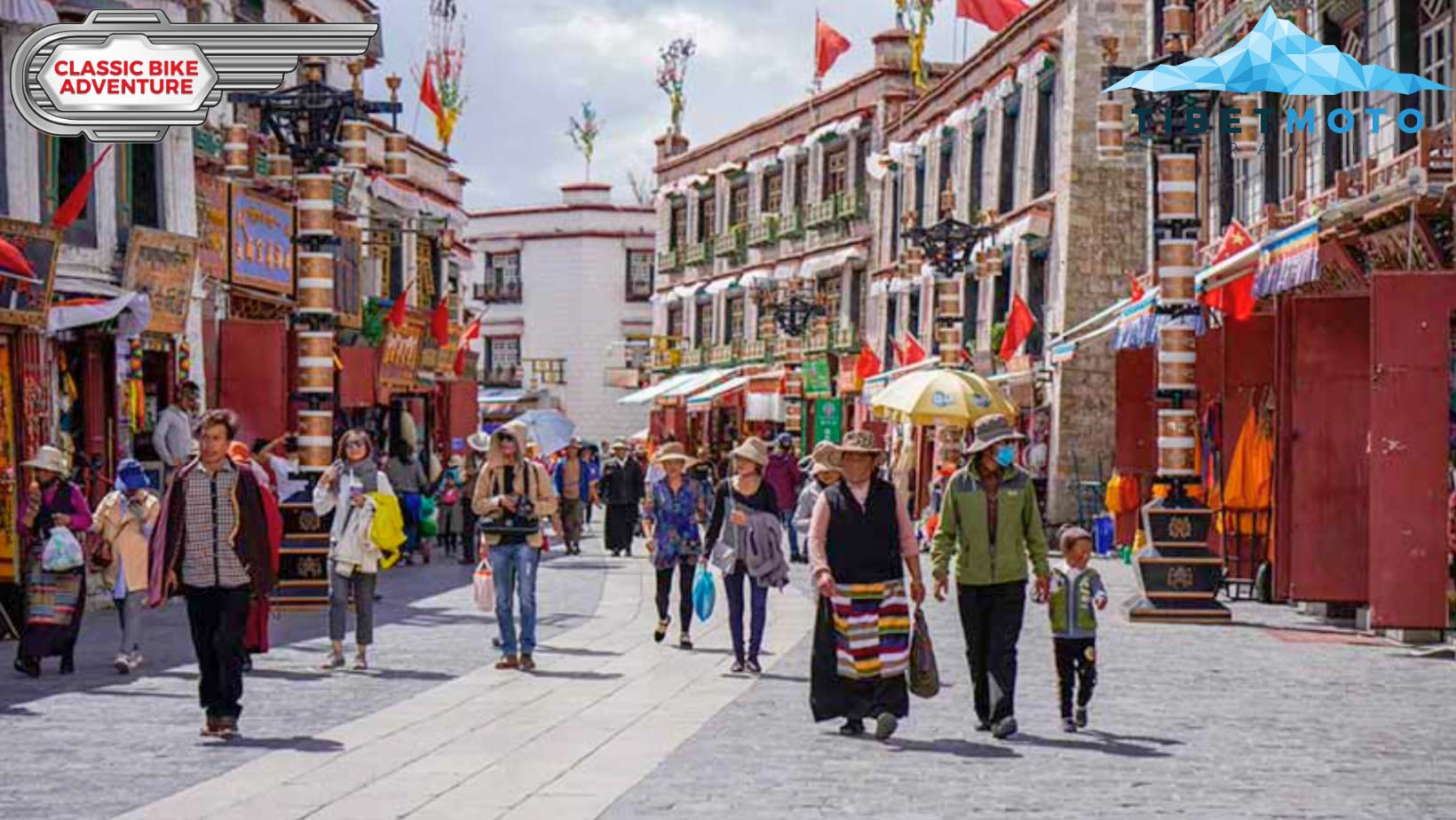
In mystical Lhasa, the heart of Tibet, we will wander the winding streets of the old town together with hundreds of Tibetan pilgrims. The atmosphere is characterized by the deep spirituality and centuries-old traditions of Tibetan culture. A highlight of the stay in Lhasa is a visit to the Potala Palace, the former seat of the Dalai Lama. This architectural masterpiece not only offers an insight into the history of Tibet, but also a breathtaking view of the surrounding mountains and the city.

After our stay in Lhasa, the journey continues to the subtropical province of Yunnan, which literally means “South of the Clouds”. Adventure, winding roads and the fascinating landscape of Eastern Tibet await us here. Until recently, these roads were inaccessible to foreigners, but now participants can experience the diversity of the region: untouched nature on the banks of the Mekong, snow-capped Himalayan peaks, hot springs, deep coniferous forests and tea and banana plantations in the subtropics.

We leave the metropolis of Lhasa and stay in the heights of the Himalayas for the next few days. In Eastern Tibet, remote mountain roads, primeval forests and the “Switzerland of the Orient” in Lulang await us, where yaks graze on vast grasslands. At Ranwu Lake, which is framed by 5,000-meter-high peaks, we say goodbye to the Himalayas and drive down into the subtropics.

Our route leads along the majestic rivers Mekong, Salween and Yangtze, the longest river in Asia. Here we enjoy the view of sandstone landscapes and deep gorges. A highlight of the trip is the majestic view of the 6,700-meter-high Kawa Karpo (Meili Xueshan) and the subsequent overnight stay with a local Tibetan family.

After visiting the beautiful old town of Shangri-la, built entirely of wood, we drive through the Tiger Leaping Gorge, one of the deepest gorges in the world. The otherworldly landscapes with overhanging cliffs and three-kilometer-high steep walls are dominated by the majestic Jade Dragon Snow mountain range. Here we leave the world of the Tibetans behind us and reach the subtropics.

We continue our journey to the historic Chinese old towns of Lijiang and Dali. Dali, a picturesque city with alleys and gates from the Qing Dynasty, is known for its well-preserved old town with traditional Bai architecture, picturesque landscapes and the majestic Cangshan Mountains in the background. Here we enjoy the cultural diversity and the impressive nature of the region.

The last section of the trip takes us over the world’s largest rice terraces in Yuanyang to the Three Gorges Dam and finally to Shanghai, one of the most exciting and dynamic metropolises in the world. Here we experience the contrast between traditional Chinese culture and modern urbanity.

An optional extension to Bangkok via Laos, Vietnam and Cambodia can be booked for those who want to extend their trip.

Tibetmoto Tours …

… has put together a very nice and unique tour with the Roadtrip Eurasia Tour. Hendrik toured with us through the different countries and organized everything very well.

Martin H.

A motorcycle tour …

… through so many different countries is simply a dream. It’s an amazing experience. Thanks to Tibetmoto for the good organization!

Hannes S.

All Tibetmoto tours …

…  was very well organized. Excellent!

Kevin I.

Highlights Roadtrip Eurasia Tour

  • 14 countries and over 19.800 kilometers – a superlative adventure: All the highlights of the Silk Road up to Tibet on the roof of the world
  • The central Balkan mountains with the Beklemento Pass
  • The Anatolian highlands with the Silk Road towns of Safranbolu and Amasya
  • Caspian Sea Ferry Crossing & the steppes of Kazakhstan
  • Enough time for all the sights in the Silk Road oases of Samarkand, Khiva, Bukhara and Dushanbe Tajikistan with the world famous Pamir Highway
  • The most beautiful slopes and caravanserais in Kyrgyzstan
  • Tibet from west to east with all the highlights of the Tibetan Himalayas, including Manasarovar Lake, the sacred Mount Kailash, Everest Base Camp, Gyangze, Yamdrok Lake, Xigaze and Lhasa
  • The Everest base camp with an overnight stay in the Rongbuk monastery with a view of Everest at an altitude of 4,900 meters
  • One of the most spectacular roads in the world at Everest Base Camp with a view of the highest mountains on earth
  • Full visiting day in Istanbul, Samarkand and Lhasa with a city tour
  • Regular rest days for relaxing and sightseeing
  • Proven and always up-to-date routing: Our team has carried out the tour many successful times
  • Support vehicle for passengers and luggage / emergency vehicle
  • Mechanic service for the entire trip
  • Including return shipping of the motorcycles at no extra cost
  • Local guides in many countries so that you can get the best insight into the local culture
  • Optional extension to Bangkok

2026
Main tour: 31.07. – 05.10.
Extension: 26.09. – 18.10.

2027
Main tour: 22.07. – 28.09.
Extension: 20.09. – 12.10.

Per person with own car:
20.480€
Passenger:
10.480€
Single Room:
+2.390€

Price list for the extension to Bangkok

Main tour:
69 days

With Extension:
83 days

Click here to read more about the extension to Bangkok

Overnight stays in middle-class hotels, guest houses and simple accommodations.

Contact us

Via Munich to Shanghai

Via Dali to Bangkok

Main Tour – Munich to Shanghai – Itinerary

Day 1: Meeting in Munich

Meeting of tour participants near Munich. Detailed tour briefing in the afternoon. Get to know each other over dinner in Munich.

Day 2: Munich – Ljublijana

From Munich, we traverse the eastern Alps and find ourselves in the small, beautiful capital of Slovenia. The old town, built right along the Sava River, exudes charm, making it a perfect place for a relaxed start to our journey. We enjoy a stroll through the old town and have dinner at the foot of Ljubljana Castle.

Distance: approx. 400 km, Slovenia

Day 3: Ljubljana – Belgrade

We travel through the rough and dry Croatian hinterland. Belgrade is a remarkable city, at the confluence of the Sava and Danube stands the Belgrade Fortress, which towers over a beautiful old town.

Distance: approx. 530 km,
through Croatia and Serbia

Day 4: Belgrade – Sofia

Departing from Belgrade, the route heads south through the Morava Valley. Wide plains and gentle hills accompany the road all the way to the Bulgarian border. After crossing into Bulgaria, the landscape gradually becomes more mountainous before the basin of Sofia opens up. The Bulgarian capital, located at the foot of the Vitosha Mountains, marks the destination of this cross-border stage.

Distance: approx. 400 km

Day 5: Sofia – Burgas

In Serbia and Bulgaria we find ourselves in the center of the Balkans. The vastness of the landscape that opens up before our eyes is something we no longer find in Central Europe. Eastern Europe presents itself to us as rural and wild and is reminiscent of a Europe long gone. In keeping with this, we spend the night in the small and authentic town of Koprivshtitsa, which will delight you with its rustic-style houses.

Distance: approx. 270 km, Bulgaria

Day 6: Burgas – Istanbul

Leaving Sofia, the route continues eastward through the interior of the country. The group crosses the Balkan Mountains before following broad plains toward the Black Sea. As the coast approaches, the atmosphere noticeably shifts. Burgas, situated directly on the Black Sea, marks the end of this stage and introduces a first maritime element on the journey southeastward.

Distance: approx. 430 km

Day 7: Istanbul

Istanbul visit day. We visit the modern metropolis on the Bosporus and enjoy the flair of this unique city.

Day 8: Istanbul – Safranbolu

The Mediterranean flair of the Bosporus slowly gives way to an alpine mountain world as we advance into the northern Anatolian highlands.

Because of its beautiful townscape dominated by half-timbered houses, Safranbolu has been on the UNESCO World Heritage List since 1994.

Distance: approx. 410 km

Day 9: Safranbolu – Amasya

Amasya is located in the hinterland of the Black Sea coast in the Pontic Mountains in a narrow valley directly on the river.

The main part of the charming city stretches along the east side of the river, on the west side there are only a few rows of houses at the foot of the steep castle hill. Five bridges connect both halves of the city, which invites you to linger.

Distance: approx. 390 km

Day 10: Amasya – Bayburt

Further east we follow the North Anatolian Fault. We continue through the idyllic steppe landscape to Bayburt, a town located in the Anatolian highlands.

Distance: approx. 450 km

Day 11: Bayburt – Savsat

A beautiful winding mountain road leads to Savsat. We spend the night in a simple yet beautiful lodge in an Anatolian mountain landscape, far away from civilization.

Distance: approx. 350 km

Day 12: Savsat – Alkhaltsikhe

Leaving Şavşat, the route winds through the lush mountain landscapes of northeastern Anatolia toward the Georgian border. Dense forests, narrow valleys and light traffic characterize this section. After crossing into Georgia, the scenery gradually opens up. The day ends in Akhaltsikhe, a historic town in southern Georgia that marks a cultural transition between Anatolia and the Caucasus.

Distance: approx. 160 km, Georgia

Day 13: Alkhaltsikhe – Tbilisi

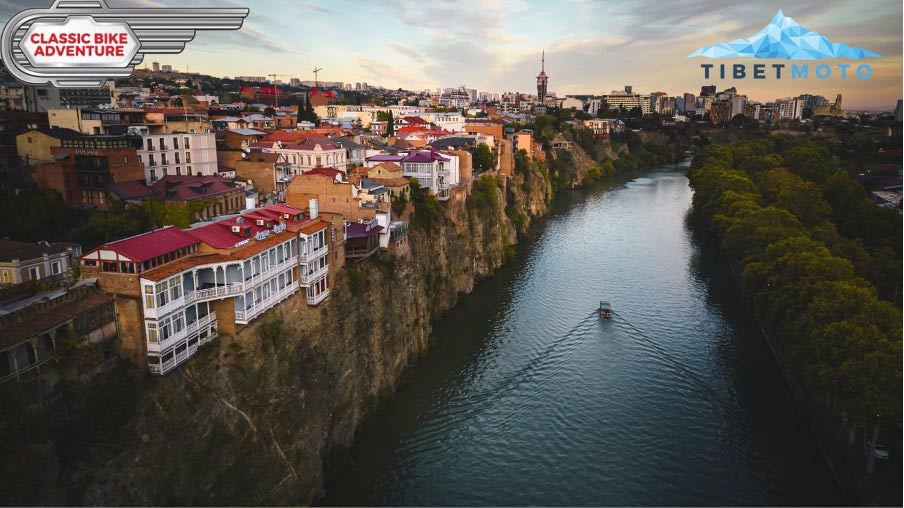
The route continues northeast across wide plateaus and along the Kura River valley. Arid hills, agricultural land and occasional monastery complexes line the way. Upon arrival in Tbilisi, the group reaches the political and cultural center of the country — a city shaped by Persian, Russian and Caucasian influences.

Distance: approx. 210 km

Day 14-15: Tbilisi

These days are dedicated to exploring Tbilisi. Those who wish can take a walk through the old town, wandering narrow alleys past traditional houses, churches, and the famous sulfur baths. Viewpoints and walks along the Kura River offer constantly changing perspectives. Cafés, restaurants, and wine bars invite you to experience Georgian hospitality and enjoy a relaxed end to the day.

The double overnight stay ensures a relaxed travel rhythm before continuing the journey.

Day 16-18: Aktau

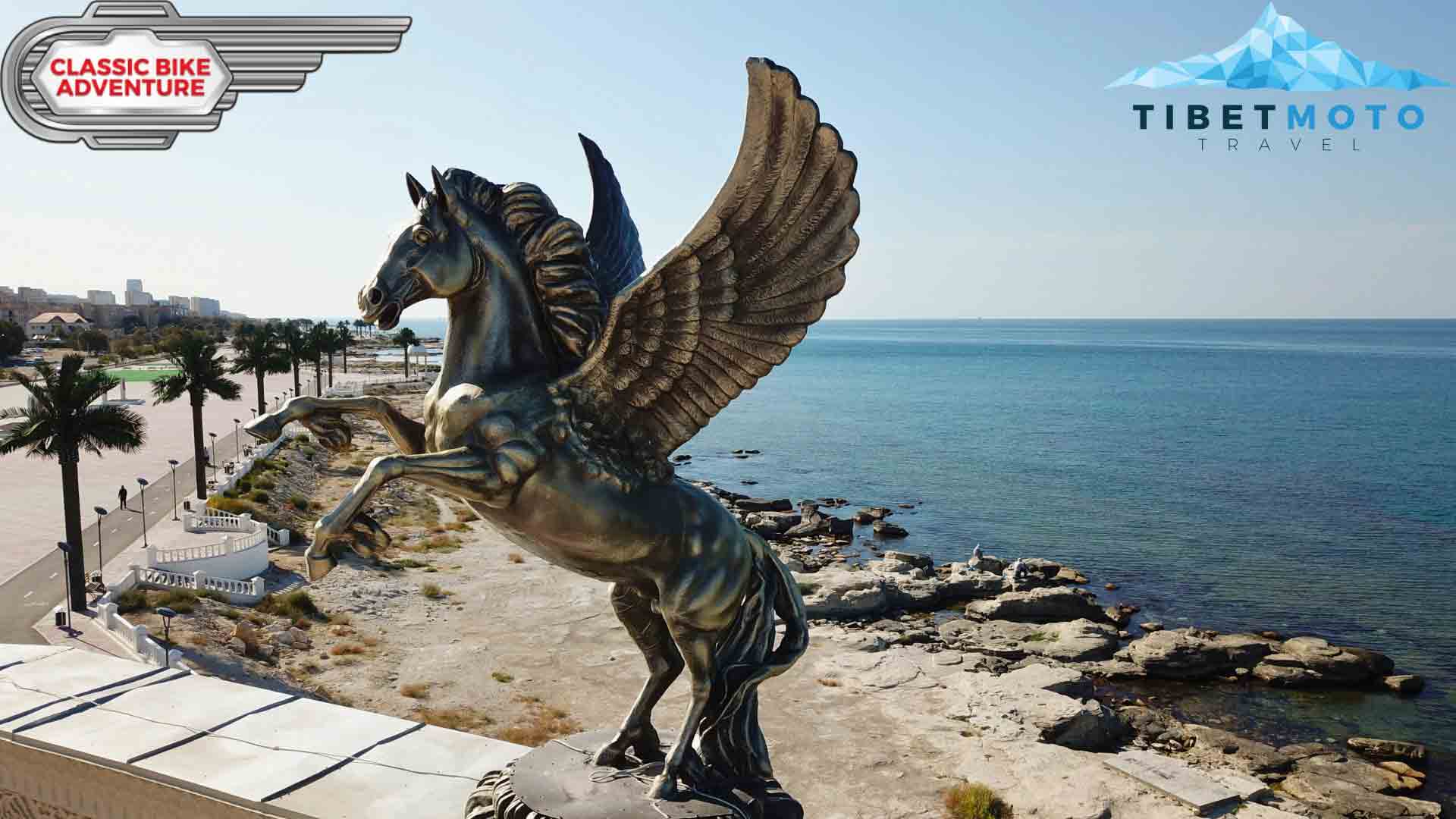
After leaving the Caucasus region, the journey continues to Kazakhstan by ferry. In Aktau, located on the coast of the Caspian Sea, the next section of the route begins. These days are reserved for arrival, organization, and preparation for the upcoming stages across the vast landscapes of Central Asia.

Day 19: Aktau – Beyneu

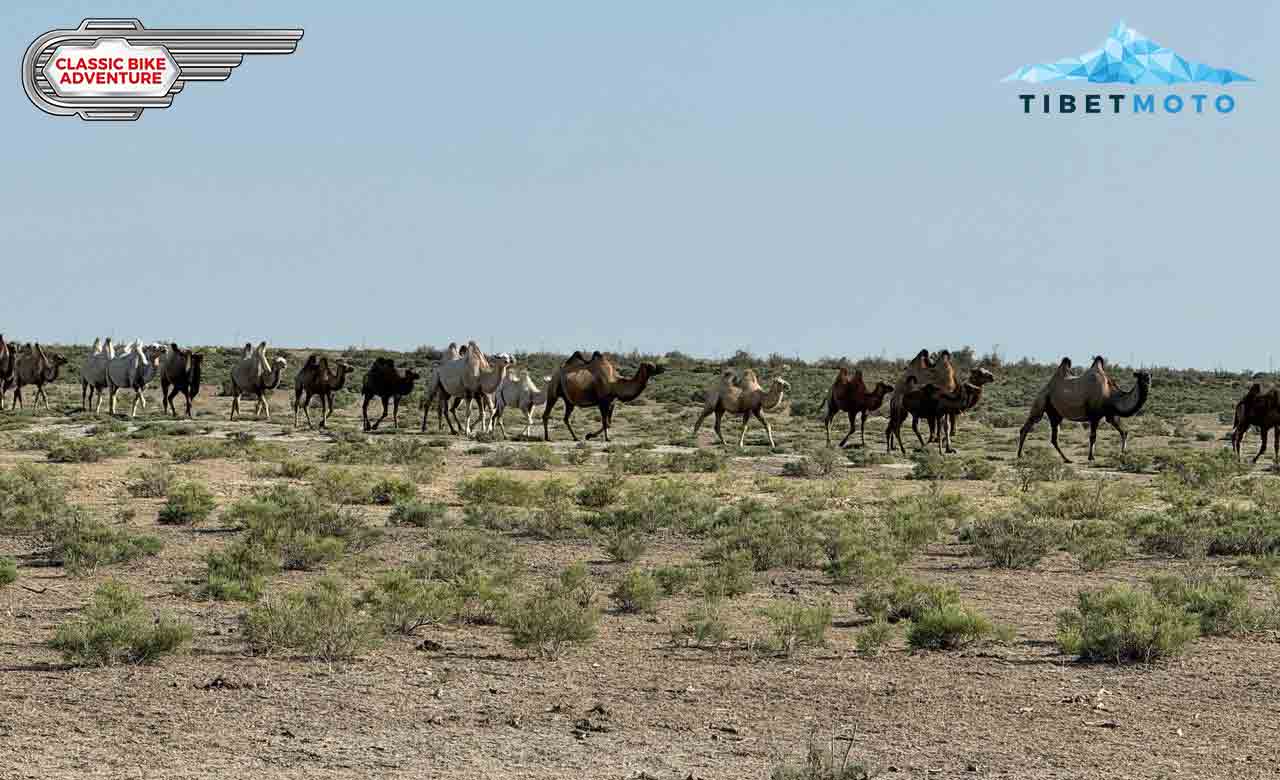
The ride from Aktau to Beineu leads through the wide, barren landscapes of western Kazakhstan. The road runs largely straight through semi-desert and steppe, accompanied by endless horizons and a strong sense of openness.

Distance: approx. 460 km

Day 20: Beyneu – Nukus

After crossing the border into Uzbekistan, road conditions change noticeably. A long, at times demanding stretch leads through the vast desert landscapes of the former Aral Sea region. The route crosses the barren expanses of the Aralkum Desert, which emerged after the lake dried up – silent, wide, and deeply impressive. The presence of what was once the world’s fourth-largest inland sea is still palpable.

Read more

Optionally, there is the opportunity to detour to Mo‘ynoq, the former port town on the Aral Sea. Today, rusting shipwrecks lie stranded in the sand – haunting relics of an ecological catastrophe and one of the most striking places in Central Asia.

By evening, we reach Nukus, the cultural center of Karakalpakstan. Known for the renowned Savitsky Museum, the city forms a strong contrast to the remoteness of the desert stage. Depending on arrival time, there is space to settle in and take in the atmosphere, often accompanied by a spectacular red desert sunset.

Distance: approx. 520-710 km

Day 21: Nukus – Khiva

The route continues through the wide plains of Khorezm, following sections of the historic Silk Road. After a short drive, we arrive in Khiva (also spelled Xiva), the former capital of the Khanate of Khiva. The completely preserved old town Itchan Kala has been a UNESCO World Heritage Site since 1990 and impresses with its adobe city walls, madrasas, minarets, and richly decorated facades. In the afternoon, there is time for a walk through the narrow alleys of the old town and a relaxed end to the day with a cold drink.

Distance: approx. 180 km

Day 22: Khiva – Buchara

We drive through the Kyzylkum Desert to Bukhara, which is one of the oldest cities in Uzbekistan. Like Samarkand, it was a trading and resting place on the old Silk Road. With over 140 architectural monuments, Bukhara is an impressive “museum city”.

Distance: approx. 460 km

Day 23: Bukhara – Samarkand

This pearl of the Silk Road, which awaits us at the end of a strenuous day of driving, impresses with its Islamic architecture. It is not for nothing that it was declared a UNESCO World Heritage Site. We visit Registan Square and the adjacent Madras, as well as other sights.

Distance: approx. 280 km

Day 24: Samarkand visiting day

Samarkand Visiting Day. Samarkand, one of the oldest cities in the world, captivates visitors with its numerous historical highlights. Registan Square, a stunning ensemble of madrasas, showcases the splendor of Timurid architecture. The Bibi Khanum Mosque, once one of the largest mosques in the Islamic world, offers a glimpse of majestic architecture and the Gur-Emir Mausoleum, the final resting place of Timur, impresses with its magnificent dome and detailed decorations. The Shah-i-Zinda Necropolis, a complex of mausoleums, is an important site of Islamic pilgrimages.

Day 25: Samarkand – Dushanbe

After crossing the border, we go to the capital of Tajikistan, Dushanbe. We continue to cross the desert, but shortly afterwards we gain altitude, the land becomes more fertile and you notice that we are getting closer to the Pamir Mountains. Dushanbe is located in the Hissar Valley at an altitude of around 800 meters and is the cultural and economic center of Tajikistan. The prosperous city is characterized by a beautiful cityscape with green avenues, international restaurants and even nightlife.

Distance: approx. 300 km

Day 26: Dushanbe – Kalaikhum

The journey along the Pamir Highway begins, on gravel roads and asphalt. Nowadays, only about half of the route is dirt road. From Dushanbe, there are two routes to Kalaikum, a northern route and a southern route (longer). We decide depending on which of the two routes is more passable seasonally. Kailaikum, with a wild river running through its middle, is one of the most attractive places in the Pamir Mountains.

Distance: approx. 270/380 km

Day 27: Kalaikhum – Khorog

All roads lead to Khorog: A wild ride through one of the most beautiful and spectacular stretches of Central Asia – mostly on good gravel – awaits us. Khorog is the administrative center of the Pamir and awaits us with its bazaars and tea houses.

Distance: approx. 240 km

Day 28: Khorog – Murghab

Murghab is in the middle of the Pamir Plateau – a place in the middle of nowhere and a border town on one side to China and on the other to Kyrgyzstan. The last few kilometers before Murghab are very demanding – it is not an easy track to drive on.

Distance: approx. 320 km

Day 29: Murghab – Osh

Departure to Kyrgyzstan and completion of border formalities. Then we leave the beautiful Pamir Mountains and turn to adventures in Kyrgyzstan.

Distance: approx. 410 km, Kyrgyzstan

Day 30: Osh

Osh rest and visiting day.

Day 31: Osh – Toktukul Lake

From Osh we travel along a dream route to Lake Toktukul. Our guesthouse today overlooks the lake and we spend the night near the shore.

Distance: approx. 270 km

Day 32: Toktukul Lake – Song Kul

Today’s journey once again impresses with wonderful views over the landscapes of Central Asia. Asphalt and dirt roads alternate today, and the wide landscapes open up views over snow-capped mountains and remote winding landscapes.

Distance: approx. 400 km

Day 33: Song Kul – Tash Rabat

Tash Rabat is a well-preserved caravanserai from the 15th century. Today’s overnight stay will be in a yurt camp. The route to the historic settlement, which translates as “stone hostel”, leads over good tracks. Tash Rabat is located in the Old Bashi mountain range (part of the Chinese Tian Shan Mountains) on the old Silk Road.

Distance: approx. 230 km

Day 34: Tash Rabat – border at Kashgar – Kashgar

Around midday we reach the Kyrgyz-Chinese border area. We pass Tash Rabat – an archaeological excavation site. From there we drive to the Torugart Pass – the border between Kyrgyzstan and China. The road gets worse and worse and is eventually no longer asphalted. We drive down this adventurous track from the Torugart Pass and into China. The vehicles have to be parked 120 km away from the customs station. We have a transfer to Kashgar in the afternoon and another transfer back to the customs station the next morning to pick up our cars there.

Distance: approx. 220 km, China

Day 35: Kashgar

Kashgar Traffic Office. Today the temporary Chinese driving licenses and license plates will be issued. There will also be a short medical/technical check and vehicle check. We will take care of everything, you just need to be patient.

Distance: approx. 150 km

Day 36: Kashgar

A rest day in Kashgar, which we allow for the Chinese authorities. In China, the formalities can sometimes take a little longer. We visit the beautiful old town of Kashgar and watch the nightly market hustle and bustle. The barbecue/grilled meat is among the best in all of China.

Day 37: Kashgar – Yecheng

Short drive to Xecheng, which used to be called Kargilik, a place on the southern Silk Road.

On the way there we pass numerous checkpoints and have to register with the police several times – that requires a lot of patience. The climate here on the Silk Road, very close to the Taklamakan Desert, is literally desert-like hot.

Distance: approx. 250 km

Day 38: Yecheng – Dahongliutian

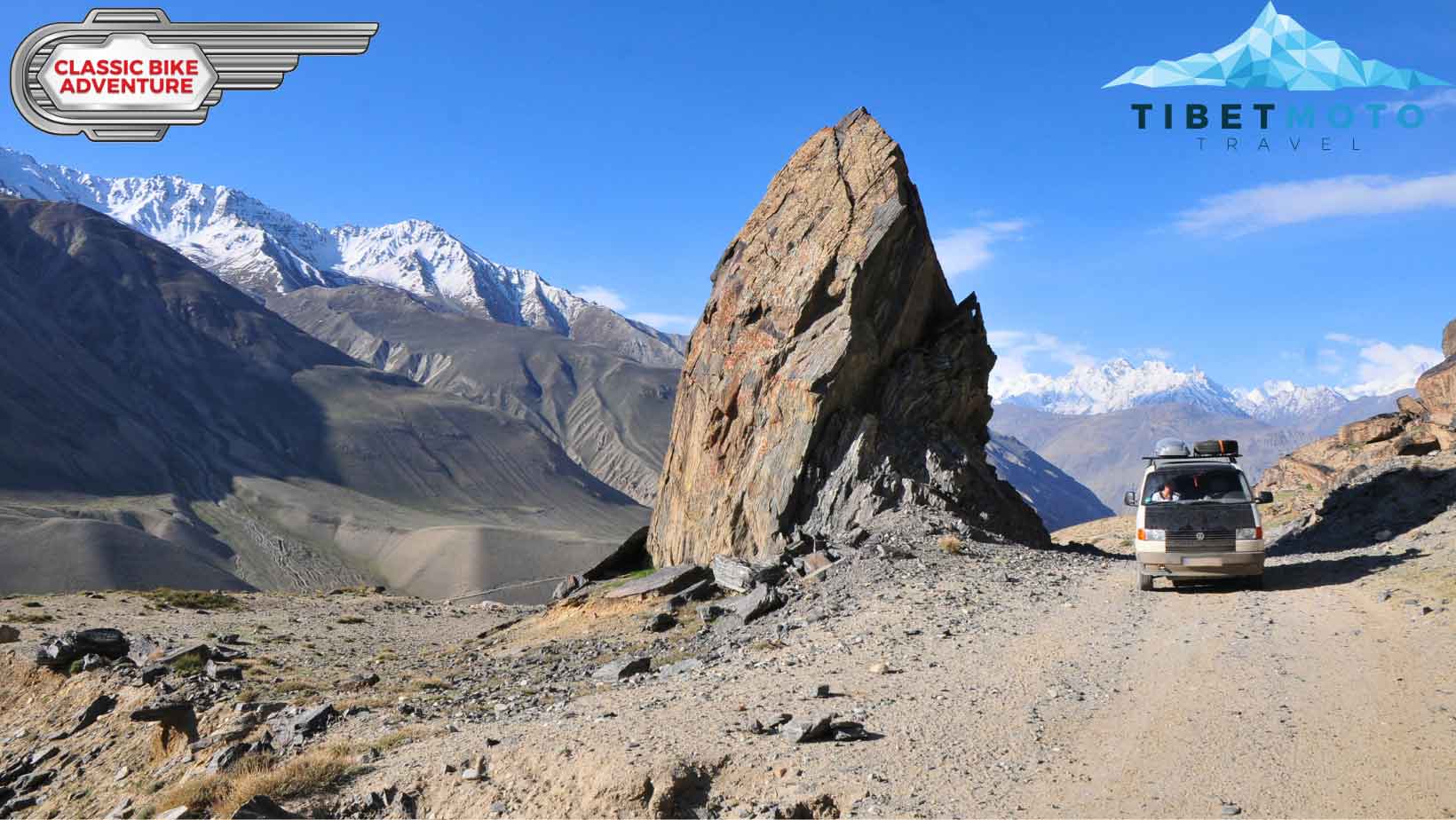
Today we go from the “depths” of the Tarim Basin and the desert-like areas on the Silk Road up into the Tibetan mountains with the first pass above 5000 meters.

Another pass, again 5000 meters high, awaits us after breakfast. Then we go across the wide plateau along mountains and rivers to Dahongliutan, a tiny place in the middle of nowhere.

Distance: approx. 490 km

Day 39: Dahongliutian – Ali

Via Lake Bangong to Ali. Lake Bangong is half in Chinese and half in Indian territory. One side of the lake is filled with salt water, while the other side is fresh water.

Ali is the administrative capital of western Tibet and the first real city since Kargilik.

Distance: approx. 550 km

Day 40: Ali – Guge Kingdom

Departing from Ali, the road leads through the remote vastness of western Tibet. The landscape is stark, wind-shaped and defined by an almost archaic stillness.

The destination is the historic Guge Kingdom, whose ruins are dramatically embedded in eroded clay formations and rocky cliffs. The remains of this former civilization rank among the most impressive archaeological sites in Tibet.

Day 41: Guge Kingdom – Mt. Kailash

The journey continues through the remote Ngari region. Expansive plains, salt lakes and snow-covered peaks dominate this high-altitude section in far western Tibet.

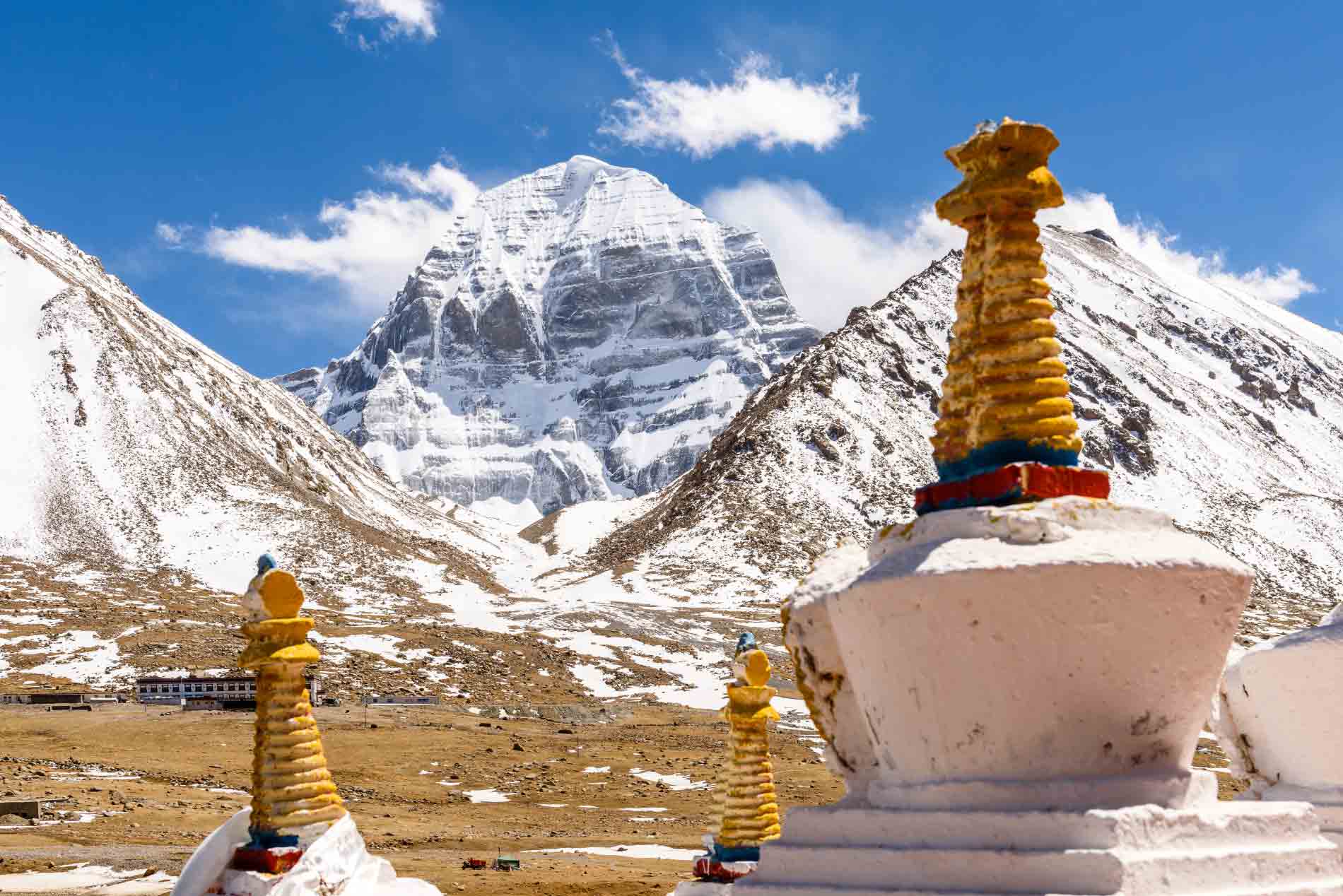
As the route approaches Mount Kailash, the atmosphere becomes noticeably more contemplative. The distinctive pyramid-shaped peak is considered sacred in Hinduism, Buddhism, Jainism and Bön, and remains one of Asia’s most significant pilgrimage destinations.

Day 42: Mt. Kailash

The rest day at Mount Kailash offers time for acclimatization and individual exploration. Many pilgrims begin their circumambulation of the sacred mountain here, while others take the opportunity to experience the stillness and spiritual presence of this unique place. At an altitude of over 4,500 meters, recovery and preparation take priority before the journey across the Tibetan Plateau continues.

Day 43: Mt. Kailash – Saga

We travel along the deep blue Lake Manasarovar, with snow-capped mountains towering above it, to Saga. Today, the endless expanses of Tibet and a spectacular mountain pass await us at the end.

Distance: approx. 490 km

Day 44: Saga – EBC (Everest Base Camp)

Today we travel along Lake Paiku, very close to the Nepalese border and over some winding passes. Here and today the roads are in a somewhat worse condition. Another highlight of the tour is the visit to the Mount Everest Base Camp at an altitude of 5,200 meters. We first drive to the Rongbuk Monastery at 4,980 meters, where we spend the night.

Distance: approx. 400 km

Day 45: EBC – Xigaze

We leave the bikes nearby and walk the last kilometer until we can enjoy this incredible view: the clear view of the 8,848 meter high peak of Everest rewards all the effort. The road to the base camp offers incredible curves, is perfectly paved and has the highest mountains in the world at over 8,000 meters as a “background”. It couldn’t be more spectacular! The “descent” takes place over the 5,220 meter high Gyatso Pass to Xigaze.

Distance: approx. 340 km

Day 46: Xigaze – Gyangze – Lhasa

We travel across the wide central Tibetan plateau to Gyangze, where we visit the largest stupa (Tibetan pagoda) in all of Tibet. Along the turquoise-blue Yamdrok Lake, where we may see shaggy yaks for the last time, we cross a mountain pass into the fertile Yarlung Tsangpo river valley and then on to the legendary Lhasa. We have arrived at the destination of the trip – Lhasa. We drove from Munich along the Silk Road to here, to the roof of the world. If we haven’t patted ourselves or each other on the back yet, we’ll do so now.

Distance: approx. 360 km

Day 47-50: Lhasa

Buffer day in Lhasa. We enjoy a day at the Bharkor market in the old town of Lhasa, visit the former residence of the Dalai Lama (the Potala Palace) and the holiest of all temples for Tibetans, the Jokhang.

Day 51: Lhasa – Nyingtri

Early start. Before lunch we visit the Ganden Monastery, one of the most impressive and culturally important monasteries in Tibet. We plan 1-1.5 hours for the visit to the Ganden Monastery, which is located at an altitude of 4,300 meters, because the breathtaking views on the circular path around the monastery, which was founded in 1409, are spectacular. We drive east and follow the Yarlung Tsangpo. The wide and lively river and important water artery of Tibet accompanies us for a whole part of the day and will captivate you with its fascinating views.

Distance: approx. 400 km

Day 52: Nyingtri – Bome – Ranwu

Today, spectacular views are on the agenda. We drive over various mountain passes on the way to Lake Ranwu and enjoy the view of the fascinating green valleys and yak pastures, which the Chinese call the “Switzerland of the Orient”, because the barren landscapes of the Himalayan plateau give way to coniferous forests and make room for nomads and their yaks. We spend the night on the beautiful shore of Lake Ranwu at an altitude of 3,850 meters near a small Tibetan village and enjoy the sunset on the lake, which is framed by often snow-capped 5,000 meter high mountains.

Distance: approx. 360 km

Day 53: Ranwu – Zogang

The East Himalaya Tibet Car Tour now takes us along the shore of Lake Ranwu towards Zogang. The first part of the day leads through narrow gorges, then a snake pass, which the locals simply call the “road of 72 bends”, is on the agenda and is one of the driving highlights, as the serpentines lead to a 4,300 meter high pass that offers fantastic views of the valley below.

Distance: approx. 290 km

Day 54: Zogang – Deqin

Two more passes at 5,000 and 3,900 meters in altitude await us. The landscapes become more barren again and the Salween shows its gorges of yellow sandstone. Shortly afterwards we reach the upper reaches of the Mekong. There, an encounter with a real Tibetan family awaits you. We spend the night in our homestay with Hendrik’s Tibetan family, the ring-in-law cooks with locally grown vegetables and there is also distilled liquor and red wine from their own production. Here you get an authentic impression of the life of the local Tibetans. Today is the last day of driving in the province of Tibet. In the early afternoon we are already in Yunnan.

Distance: approx. 380 km

Day 55: Deqin – Shangri-La

On this route, the last Himalayan pass awaits us at 4,300 meters – the White Horse Pass. The extremely winding roads and the small, idyllic villages offer many more highlights.

In Shangri-la, we visit the largest prayer wheel in the world on the Turtle Mountain and the beautiful old town of Dukezong, built entirely of wood.

Distance: approx. 190 km

Day 56: Shangri-La – Tiger Leaping Gorge – Lijiang

Today we drive through one of the deepest gorges in the world, the Tiger Leaping Gorge. Three-kilometer-high cliffs and the 5,500-meter-high mountain range of the Jade Dragon Snow Mountain towering above them await us. Afterwards we visit the UNESCO World Heritage Old Town of Lijiang, where we spend the evening. Today we finally leave the world of the Tibetans and immerse ourselves in the area of ​​the Naxi.

Distance: approx. 260 km

Day 57: Lijiang – Dali

Short drive to Dali. Once the capital of the Nanzhao Kingdom, Dali’s Old Town is known for its well-preserved Ming Dynasty city wall and the iconic 9th-century Three Pagodas of Chongsheng Temple. Nearby Erhai Lake offers boating and cycling, while the Cangshan Mountains to the west offer hiking trails and a cable car with stunning views. Busy Huguo Street, also known as Foreigner Street, is lined with restaurants, cafes and shops.

Distance: approx. 200 km

Day 58: Dali

Day of rest and individual visits to sights in Dali. Day of rest and individual visits to sights in Dali, such as the 1200 year old Three Pagodas, the cable car up into the Cangshan Mountains or a trip to Erhai Lake.

Day 59: Dali – Shuangjiang

Shuangjiang is known for its diverse ethnic composition, including the Dai, Lahu, Wa and other minorities. The region is also known for its tea production, especially Pu’er tea. The landscape is characterized by hills and mountains, making it an attractive destination for nature lovers. Traditional villages, cultural festivals and ethnic customs contribute to the region’s rich cultural heritage.

Distance: approx. 390 km

Day 60: Shuangjiang – Xishuangbanna

Today we enter the tropics and once again cross the Mekong River on its way from the Himalayas to Southeast Asia. Xishuangbanna is known for its tropical rainforests through which the Mekong River flows and its rich biodiversity. The region is home to the Dai (Thai) minority, whose traditional architecture, festivals such as the water-splashing festival and dances characterize the cultural heritage. The region is also known for its Buddhist temples and pagodas, which reflect the cultural and religious significance of Xishuangbanna.

Distance: approx. 340 km

The extension to Bangkok follows seamlessly on day 58. ​​Please request the extension tender separately

Day 61: Xishuangbanna – Yuanyang

The Yuanyang rice terraces are the largest in the world and have been cultivated by the Hani minority for 500 years. These impressive terraces offer spectacular views, especially at sunrise and sunset. Visitors can experience traditional Hani culture in small villages that display unique architecture and customs. The region is also characterized by mountains, rivers and dense forests that offer a variety of natural experiences. Local markets and traditional festivals provide an insight into the cultural heritage and traditions of the Hani people.

Distance: approx. 440 km

Day 62: Yuanyang – Xingyi

If you feel like it, you can get up early to see the sunrise. Then you continue along winding roads to Wanfenglin, the Ten Thousand Peaks Forest, a spectacularly scenic area with thousands of cone-shaped hills made of karst rock.

Distance: approx. 470 km

Day 63: Xingyi – Kaili

Explore the Miao and Dong ethnic villages in and around Kaili to experience traditional culture and handicrafts.

Distance: approx. 470 km

Day 64: Kaili – Zhangjiajie

Zhangjiajie is famous for its impressive sandstone pillars and breathtaking scenery, which served as inspiration for the film “Avatar”.

Distance: approx. 460 km

Day 65: Zhangjiajie

The visit to Zhangjiajie National Forest Park includes the famous sandstone pillars that inspired the floating mountains in the film “Avatar” and the spectacular glass bridge in the Grand Canyon of Zhangjiajie. Then Tianmen Mountain offers impressive views from the glass skywalk and the impressive Heavenly Gate Cave, a huge natural hole in the mountain wall, accessible via a winding road.

Day 66: Zhangjiajie – Yichang

The landscape around Yichang is dominated by the majestic Yangtze River, which winds through green hills and steep cliffs. This area offers stunning natural beauty, including lush forests and impressive gorges that stretch along the river banks.

Visit the Three Gorges Dam: The Three Gorges Dam is one of the world’s largest engineering structures. Impressive in its sheer size and engineering sophistication, this massive dam, which dams the Yangtze River, plays a crucial role in flood control and power generation in China.

Distance: approx. 380 km

Day 67: Yichang – Hefei

Transfer stage via motorway

Distance: approx. 700 km

Day 68: Hefei – Shanghai

Our journey is coming to an end and we reach Shanghai. Shanghai is a vibrant metropolis and the economic center of China, through which the Huangpu River, a branch of the Yangtze, flows.

Highlights include the futuristic district of Pudong with the iconic Oriental Pearl Tower, the historic Bund promenade with its colonial buildings, the Nanjing Road shopping street and the picturesque Yu Garden. The city offers a fascinating mix of modern lifestyle and traditional Chinese culture.

Distance: approx. 480 km

Day 69: Shanghai

Transporting the cars. Visiting sights in Shanghai. Official end of trip or individual extension.

Overland Tour –
Optional extension Southeast Asia

From the majestic mountains of China through Laos, Vietnam, Thailand to Bangkok

Our journey begins in the historic town of Dali, set against the backdrop of Yunnan’s mountains and ancient trade routes. From here, the route leads through remote landscapes and culturally rich regions of southern China, passing tea plantations and traditional villages before reaching the tropical atmosphere of Xishuangbanna.

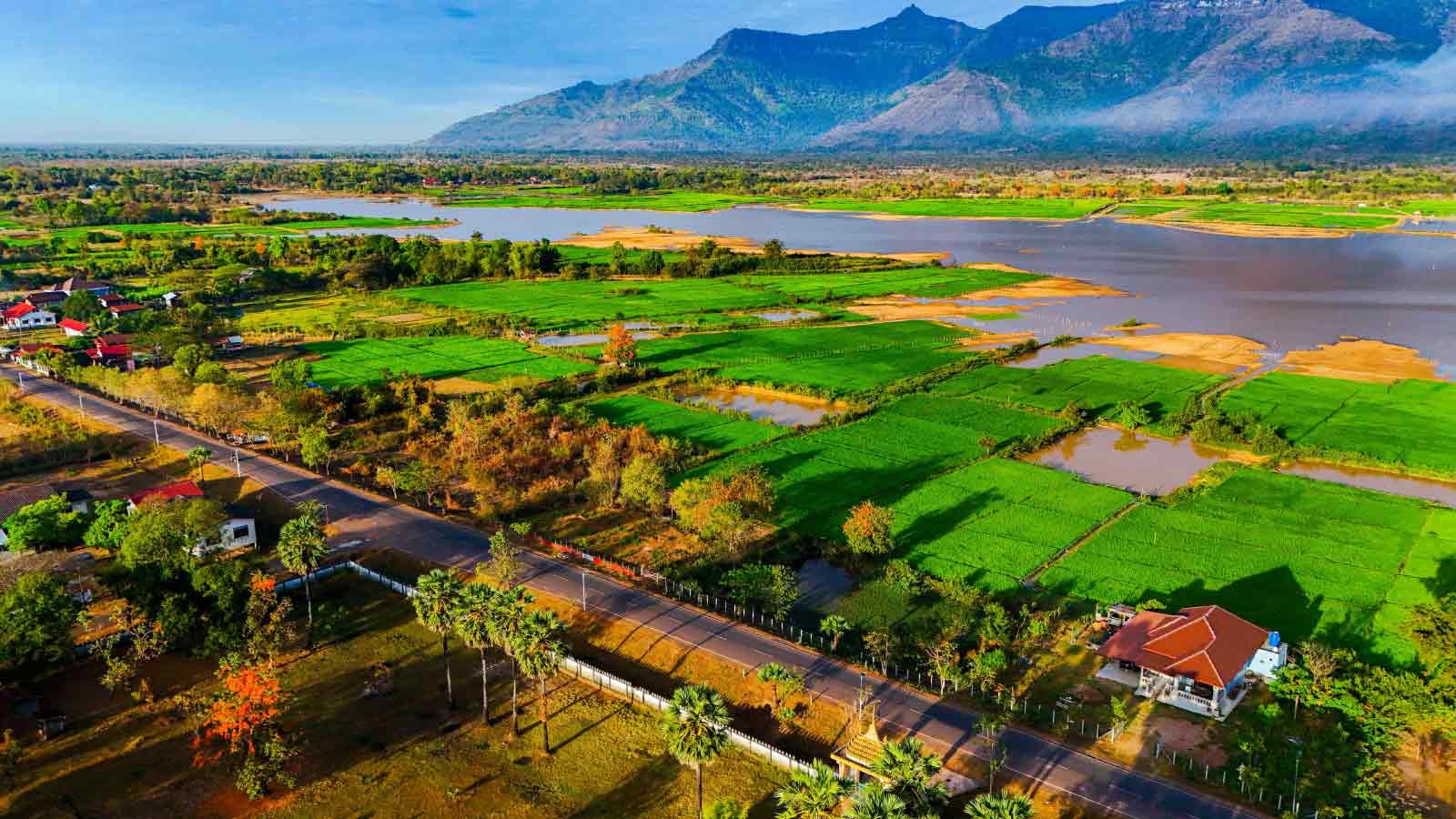
As we leave China behind and cross into Southeast Asia, a new chapter of the adventure unfolds. Entering Laos, the pace of life slows as we drive through lush mountains and quiet valleys to Muang Xai and onward to the historic town of Dien Bien Phu in northern Vietnam. From here, spectacular mountain roads lead us to Sapa, famous for its dramatic scenery, terraced rice fields, and vibrant hill tribe cultures. Continuing through the remote Nam Dam region, we experience the unique cultures of the Hmong and Dzao, including the opportunity to witness a traditional performance by our Dzao hosts.

Read more

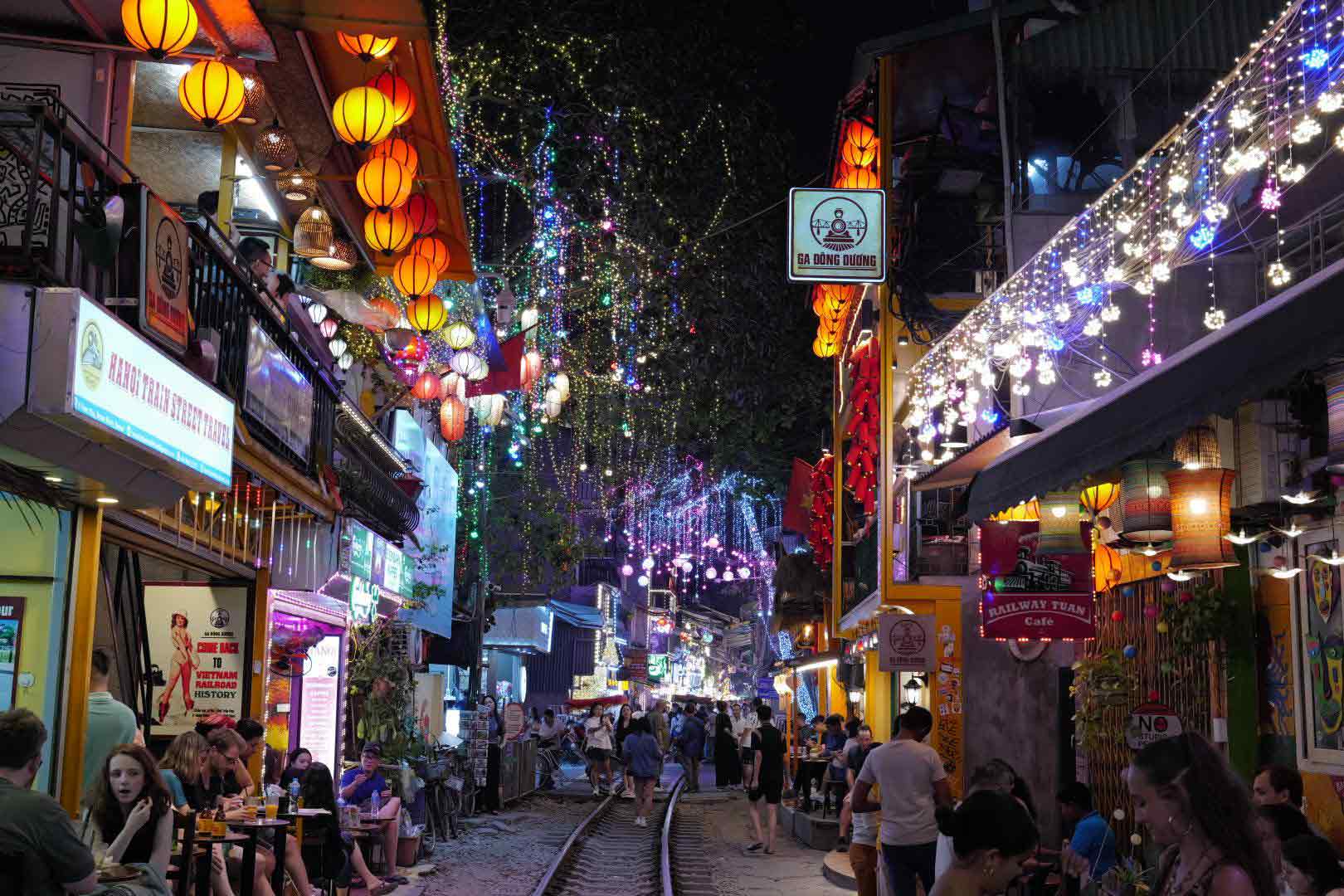
On the way to Bao Lac we join sections of the renowned Ha Giang Loop, one of Vietnam’s most breathtaking mountain routes, before continuing to Hanoi, the lively capital rich in culture and history. Here we have time to explore the city as well as carry out any necessary vehicle maintenance. Leaving Hanoi, the journey continues through the scenic Mai Chau valley and across the border into Laos. Remote mountain roads lead us to Sam Nuea and onward to Phonsavan, home to the mystical Plain of Jars, one of Southeast Asia’s most intriguing archaeological landscapes. From there we drive to Luang Prabang, the UNESCO World Heritage-listed city renowned for its well-preserved temples, colonial architecture, and serene setting along the Mekong.

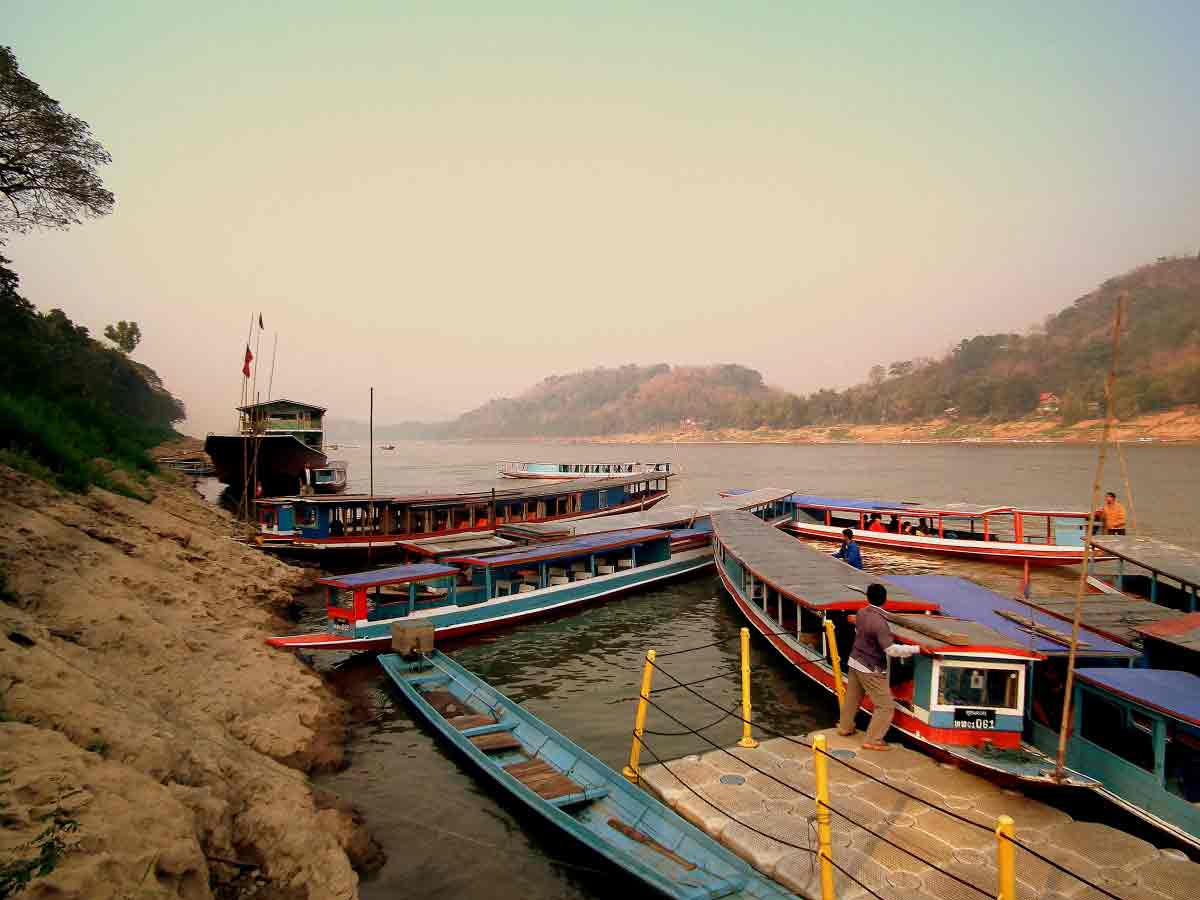
Following the Mekong south to Pak Beng, we then cross into northern Thailand and ride to Nan, passing the historic Bo Klueah salt mines where salt has been produced using ancient techniques for centuries. The route then leads to Chiang Mai, known as the “Rose of the North” and the former capital of the Lanna Kingdom. From here we enjoy Northern Thailand’s most rewarding riding routes, including sections of the famous Mae Hong Son Loop, with highlights such as Pai, Mae Sariang, before reaching Sukhothai, the ancient first capital of Siam. The final stage of the journey takes us south toward Bangkok. Thailand’s vibrant capital marks the conclusion of this extraordinary overland adventure in Southeast Asia.

2026
Extension: 26.09. – 18.10.

2027
Extension: 20.09. – 12.10.

The extension is carried out with a minimum of 6 vehicles.

Optional Extension:

Travel price per person:
+5.990€
Passenger:
+3.890€
Single Room:
+990€

With Extension:
83 days

Overnight stays in middle-class hotels, guest houses and simple accommodations.

Extension 2 – Southeast Asia – Itinerary

Day 61: Xishuangbanna (Jinghong) – Muang Xai

Our journey today takes us out of China to Oudomxay in Laos. The route leads through dense forests and along the mighty Mekong River. Muang Xai, the capital of Oudomxay province and the largest city in northern Laos, is a center for travel and exploration with lively markets selling local produce and handicrafts from all over the province. It is known for its picturesque mountains, its multi-ethnic culture, the Oudomxay Museum, the Phuuthat Stupa, and the village of Ban Chom Ong, home to the famous Chom Ong Caves.

Distance: approx. 270 km, Laos

Day 62: Muang Xai – Dien Bien Ph3

Today’s route takes us deeper into northern Laos before we approach the border with Vietnam. The landscape becomes more mountainous, with increasingly dramatic views as we climb toward the crossing point. After the uncomplicated exit and entry procedures, we immediately feel the shift into Vietnam — the architecture changes, and the roads twist more steeply through dense jungle. The final stretch into Dien Bien Phu is scenic, with open valleys and rice fields framed by forested hills. In the afternoon, we arrive in the historically significant town where one of the most decisive battles of the 20th century took place. We’ll have time to explore the local museum or simply relax with a Vietnamese coffee in the town center.

Distance: approx. 210 km, Vietnam

Day 63: Dien Bien Phu – Sapa

Today is hands down one of the most spectacular riding days in Vietnam. Leaving Dien Bien Phu, the road begins to climb almost immediately, taking us through remote highland villages and terraced hillsides. As we ascend toward Sapa on snaking mountain roads, the air cools, the vegetation thickens, and the views become increasingly dramatic. The final kilometers into Sapa deliver unforgettable panoramas of cascading rice terraces cut into steep mountain slopes. Sapa itself is a lively mountain town known for its diverse ethnic cultures, iconic landscape and vibrant night life. In the late afternoon, we will have time to leisurely walk around the city and enjoying the sights.

Distance: approx. 270 km

Day 64: Rest Day in Sapa

A rest day in Sapa offers the opportunity to slow down and enjoy one of northern Vietnam’s most scenic and culturally rich regions after many days on the road. There are numerous options to make the most of the day. A highlight is the cable car journey to Fansipan Mountain, the highest peak in Indochina, offering spectacular panoramic views and a memorable experience high above the surrounding valleys. Alternatively, explore the town and nearby villages, visit local markets and handicraft shops, or simply enjoy the mountain scenery and relaxed atmosphere. Sapa is also well known for its traditional hotpot, one of the region’s signature dishes. For relaxation and recovery, traditional spa treatments and herbal baths are also available, offering a welcome chance to unwind before continuing the journey.

Dali 65: Sapa – Nam Dam

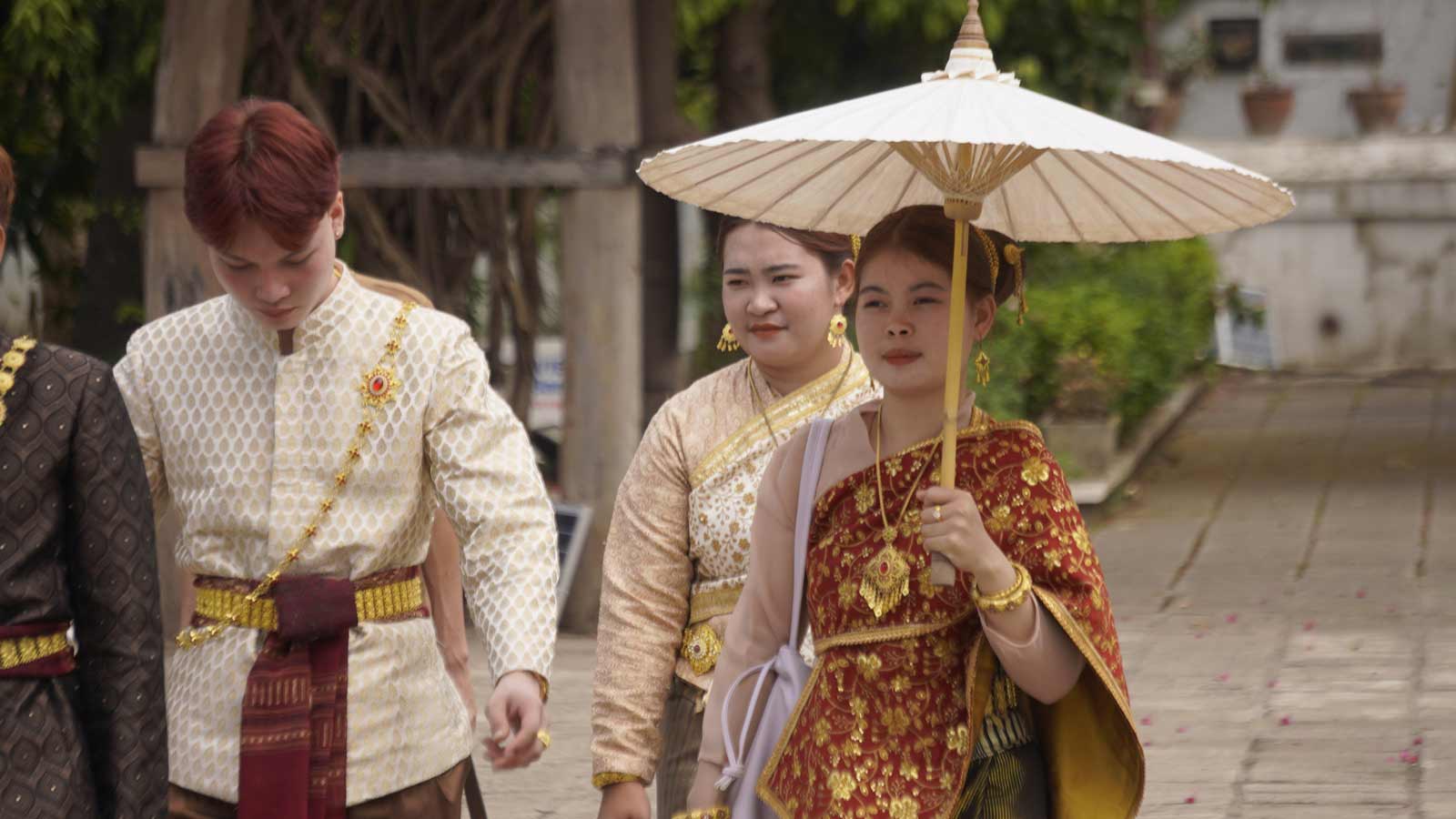
We begin the day driving out of Sapa through rolling highlands and quiet backroads that offer endless views of terraced fields. We continue eastward into a region shaped by sharp limestone peaks and deep valleys, with winding roads that are a pure pleasure. As we approach Nam Dam, the landscape becomes more serene, and the surrounding rural villages offer an authentic immersion into Dao culture. We spend the night in this peaceful, remote setting at a traditional homestay, with the unique opportunity to enjoy a cultural dance performance by our friendly Dao ethnic hosts. Dressed in their traditional costumes, their performance offers a special insight into their community while being both uplifting and engaging—making it a truly memorable highlight of our journey.

Distance: approx. 220 km

Day 66: Nam Dam – Bao Lac

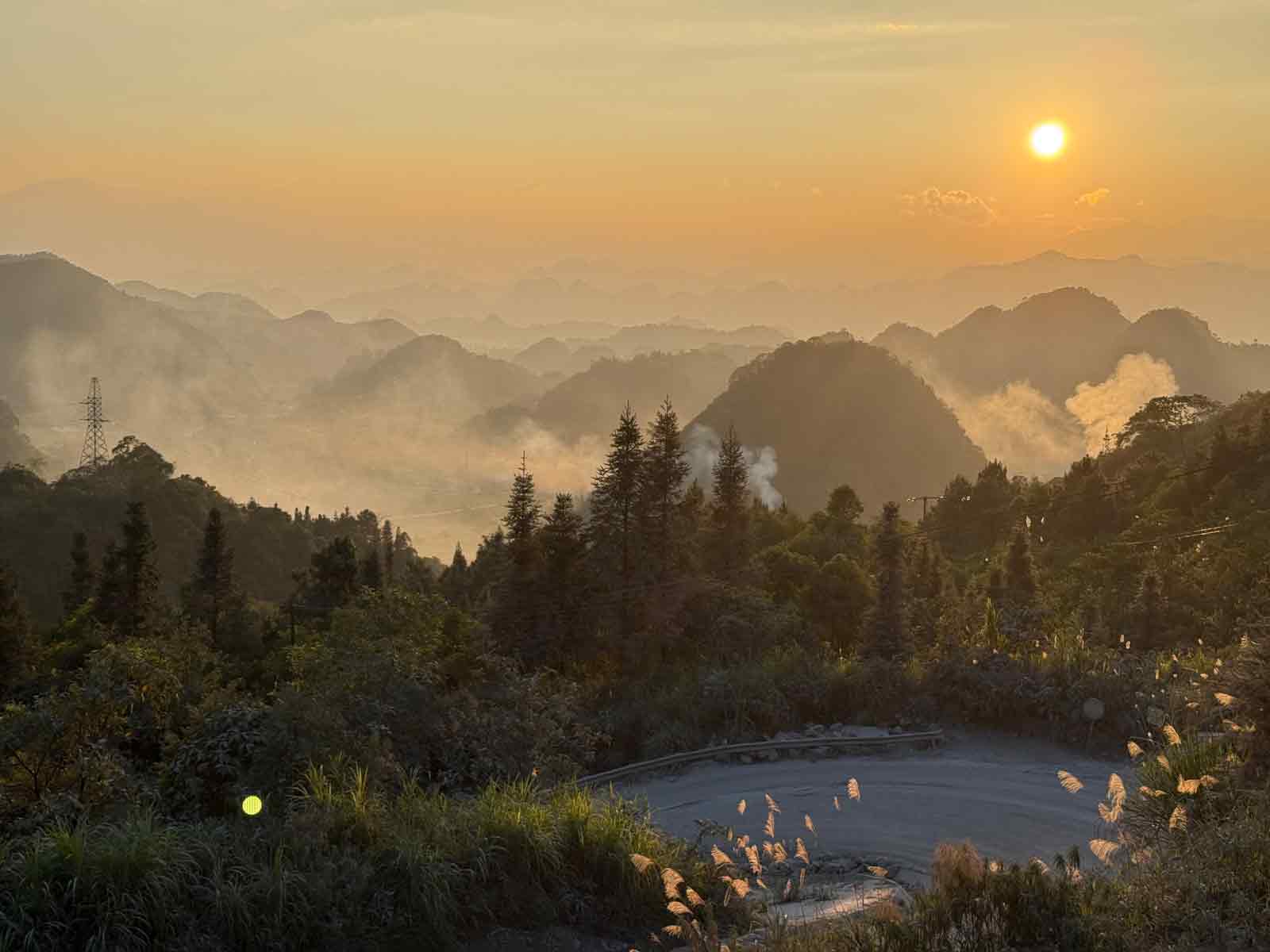
Today we enter some of the most visually striking landscapes of the entire tour. From Nam Dam we head north into the Dong Van Karst Plateau Geopark, following the northernmost section of the famous Ha Giang Loop. Towering limestone pinnacles rise abruptly from the earth, and the mountain road clings to the cliffs, offering one dramatic viewpoint after another as we approach Dong Van. From Dong Van we continue along this iconic highland route, including the legendary Ma Pi Leng Pass – a world-famous stretch of asphalt carved into sheer rock faces, high above deep canyons and layered mountain ranges. This is without a doubt one of the most spectacular roads in all of Southeast Asia. After Ma Pi Leng, the route gradually descends on winding roads towards Bao Lac, where the landscape opens into softer hills, river valleys and small settlements. If we prefer a shorter day of driving – for example due to weather – we can bypass Dong Van and instead follow the QL34 directly from Nam Dam to Bao Lac. This alternative route is less demanding and more flowing, leading us along a quieter main road through rural farmland, forested hillsides and river sections. The scenery is gentler and the riding more relaxed, but still offers an authentic glimpse of northern Vietnam’s countryside. Depending on our choice of route, we arrive in Bao Lac in the early or late afternoon and settle in, enjoying the calm atmosphere of this remote border town.

Distance: approx. 280/160 km

Day 67: Bao Lac – Hanoi

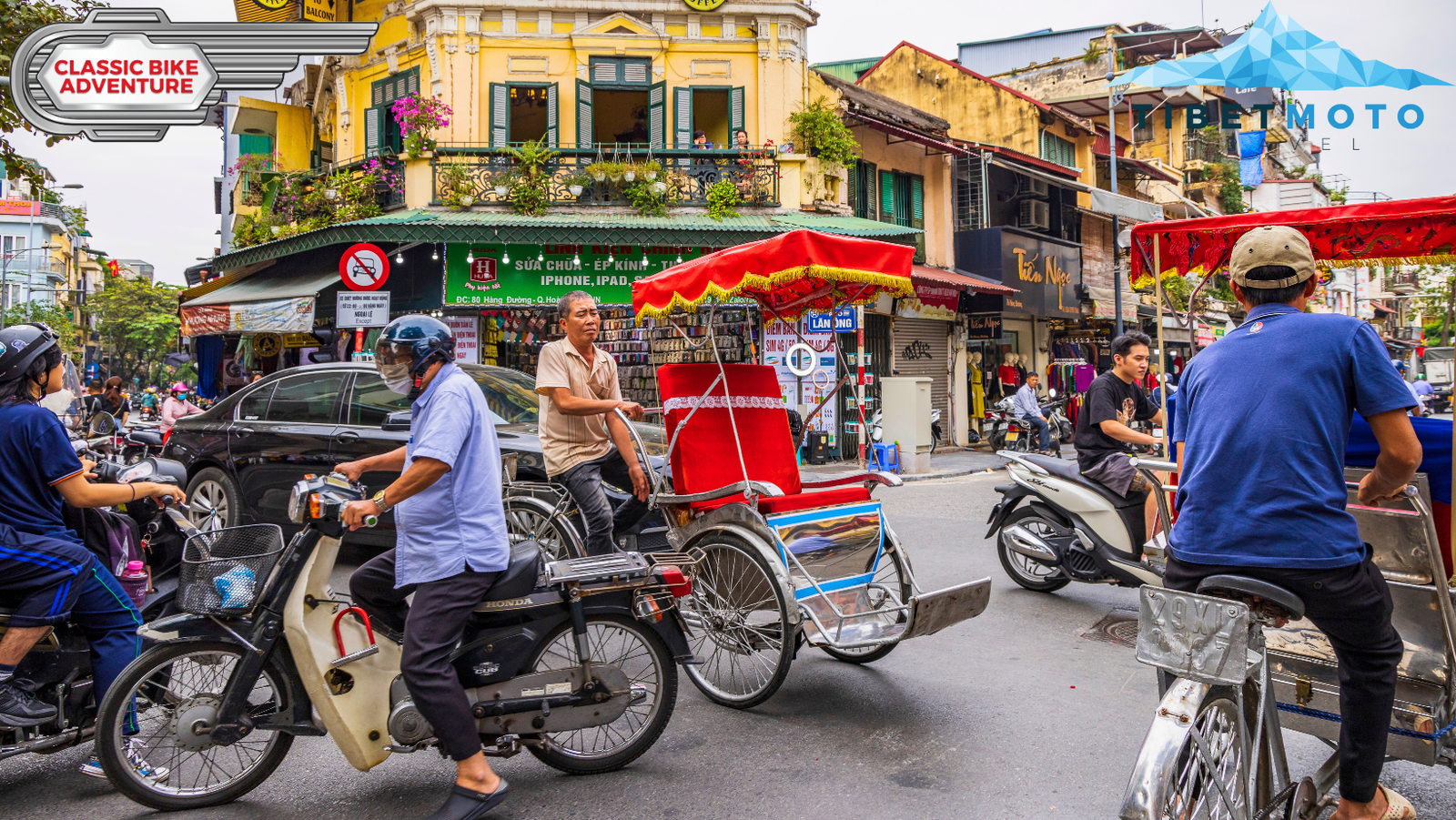
Today’s drive gradually brings us back to civilization as we make our way toward Vietnam’s capital. The first part of the route follows winding mountain and river roads, passing quiet rural settlements where daily life unfolds slowly. As we continue south, the scenery opens up into broader valleys with more traffic, larger villages, and increasing signs of lowland agriculture such as rice paddies, sugarcane fields, and water buffalo grazing near the roadside. The closer we get to Hanoi, the busier the roads become. Local scooters, small trucks, and roadside markets add a lively rhythm to the final stretch, giving us a vivid contrast to the remote highland regions we’ve explored over the past days. Driving into this energetic city is an experience in itself: dense street life, colorful shopfronts, tangled webs of power lines, and the constant movement of Hanoi’s legendary flow of traffic. After checking into our hotel, we have time to explore the Old Quarter or simply unwind in one of the city’s charming cafés tucked into its historic streets.

Distance: approx. 300 km

Day 68: Rest day in Hanoi

A rest day in Hanoi gives us the opportunity to explore the city at our leisure. We visit the Ho Chi Minh Mausoleum, Hoan Kiem Lake, the old town and the numerous museums and temples. Hanoi impresses with its rich culture, history and lively gastronomy scene.

Day 69: Rest Day in Hanoi

An additional rest day in Hanoi gives us time to go over the vehicles and focus on maintenance for the remaining journey to come or simply to relax one more day. Hanoi is the best place to work on the vehicles with easy access to large workshops, spare parts, and more. If a vehicle would benefit from an oil change, this is the perfect time to do it.

Day 70: Hanoi – Mai Chau

We leave the big city behind and head west into Vietnam’s peaceful countryside. The road winds through green hills and takes us past terraced fields and rural villages. As we approach Mai Chau, the landscape opens into a wide valley filled with rice paddies and traditional stilt houses. The White Thai people, who have lived in this region for generations, maintain a distinct cultural identity reflected in their elegant wooden stilt homes, intricate handwoven textiles, and a lifestyle closely connected to rice farming. Their weaving traditions use bright yet harmonious patterns, and their villages are known for hospitality, communal spirit, and a calm rhythm of life centered around agriculture and family. This area is famous for its peaceful and welcoming atmosphere, with rice fields stretching as far as the eye can see — a perfect contrast to the bustle of Hanoi. We spend the night surrounded by natural beauty and rural charm in our lodge.

Distance: approx. 150 km

Day 71: Mai Chau – Sam Nuea

Today we head toward the remote Na Meo border, initially driving through quiet mountain roads and lush Vietnamese landscapes. After completing the exit procedures, we cross into Laos — and the change is noticeable almost immediately. The atmosphere becomes quieter and more relaxed, and the character of the roads shifts as well: the sharper, more trafficked Vietnamese curves give way to irregular Lao mountain roads, often narrower, with patched surfaces and occasional rough sections. The riding becomes slower and more deliberate, offering a different kind of rhythm. As we continue deeper into northeastern Laos, the scenery feels more remote. We pass scattered wooden houses, small farms, and long stretches of untouched forested hills. Villages appear less frequently, and the landscape has a rugged, lightly populated feel typical of this region. By the afternoon, we reach Sam Nuea, a quiet provincial town tucked into rolling green hills – a peaceful end to a long cross-border day.

Distance: approx. 210 km

Day 72: Sam Nuea – Phonsavan

This morning’s drive continues through the calm landscapes of rural Laos. The road offers a mix of sweeping bends and peaceful scenery, with villages scattered along the way. As we approach Phonsavan, the landscape transitions into open plateaus and rolling hills. This region is known for the UNESCO-listed archaeological wonder – the Mystical Plain of Jars. Scattered across the landscape are hundreds of massive stone jars, some weighing several tons, whose origins remain a mystery.

Distance: approx. 240 km

Day 73: Phonsavan – Luang Prabang

We begin the day exploring one of the main sites of the Mystical Plain of Jars, before we head on our way to Luang Prabang. Seeing these jars from close-up truly brings their existence and purpose into question – a monumental prehistoric achievement shrouded in mystery. After our visit, we continue west toward one of the most beautiful stretches of Laos. Mountain ridges, sweeping vistas, and traditional villages accompany us along the way. As we descend toward the Mekong Valley, the scenery becomes lush and green. We arrive in Luang Prabang in the afternoon, giving us plenty of time to rest and relax before enjoying the atmosphere of this UNESCO World Heritage gem – one of the most charming and historically significant cities in Southeast Asia. With its mix of ancient Buddhist temples, French colonial architecture, and tranquil riverside settings, the city exudes a special charm. After checking into our hotel, you can take a stroll through the old town, explore the local markets, or simply relax at a café or bar overlooking the river.

Distance: approx. 350 km

Day 74: Rest Day in Luang Prabang

Today, we take another well-deserved break and immerse ourselves in the magic of Luang Prabang, Laos’ ancient capital nestled between the Mekong and the Nam Khan River. We start the day with a guided city tour, taking in the most important cultural and historical sites. Among them is the magnificent Vat Xieng Thong, a temple known for its intricate golden carvings and elegant roof design. From here, we visit the Royal Palace Museum, which offers insight into Laos’ rich history, before making our way up to Mount Phousi. A short climb rewards us with a breathtaking panoramic view over the city, the Mekong, and the surrounding mountains. Afterward, you have the choice of spending the afternoon at your own pace or going on an optional excursion to some of the area’s natural wonders. For those seeking adventure, a boat trip to the Pak Ou Caves is highly recommended. These mystical caves, carved into limestone cliffs along the Mekong, house thousands of Buddha statues, creating a deeply spiritual atmosphere. Alternatively, you can visit the Tat Sae Waterfalls, where crystal-clear pools invite you to take a refreshing swim amid lush greenery. The late afternoon is perfect for strolling through the markets and boutique shops of Luang Prabang, where you’ll find traditional silk products, handmade crafts, and unique souvenirs. As the sun sets, the city transforms into a sea of lanterns, creating an almost magical ambiance.

Day 75: Luang Prabang – Pak Beng

We leave Luang Prabang and follow the Mekong westwards across one of the quietest and most beautiful stretches of northern Laos. The drive offers gentle curves, riverside views, and glimpses of everyday life along the water. By early afternoon, we arrive in Pak Beng, a small town perched above a dramatic bend in the Mekong. Our resort is located high on a hilltop, offering sweeping panoramic views of the river — one of the most scenic overnight stays of the entire tour. This is the perfect spot to unwind and enjoy the sunset in the pool as the Mekong shimmers in golden hues. In the evening, our resort offers a relaxed dinner venue at the top of the hill, overlooking the valley.

Distance: approx. 210 km

Day 76: Pak Beng – Nan (entering Thailand)

We begin the day with a short drive to the Thai border, where we complete immigration and customs procedures. After re-entering Thailand, we cruise through a series of mountain valleys known for their excellent road conditions and low traffic. If time permits, we make a detour to the historic Bo Kluea Salt Mines, where salt has been made using ancient techniques for centuries. The landscape becomes increasingly dramatic as we continue toward Nan, one of Thailand’s best-kept secrets for motorcyclists. Smooth asphalt, sweeping curves, and forested mountain scenery accompany all the way into the town. Nan’s laid-back charm provides a relaxing end to the day.

Distance: approx. 230 km With Salt Mine/200 km

Day 77: Nan – Chiang Mai

Today’ is a celebration of Northern Thailand’s world-class roads. We enjoy a series of winding mountain stretches, flowing ridges, and scenic viewpoints as we make our way west to Chiang Mai. Chiang Mai is considered Thailand’s cultural capital, known as the Rose of the North and the capital of the former Lanna Kingdom.

Distance: approx. 310 km

Day 78: Rest day in Chiang Mai

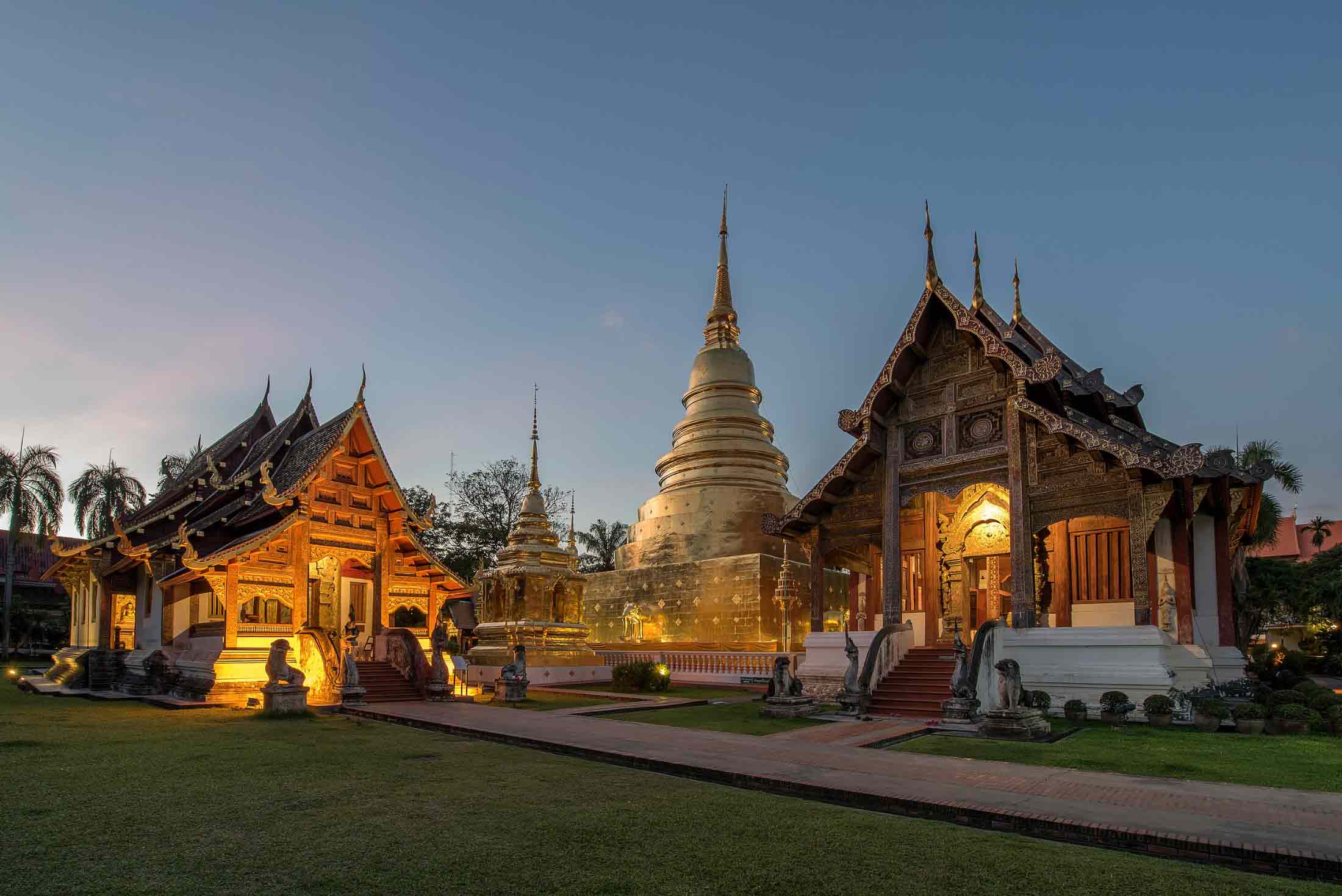
Chiang Mai blends rich history with a laid-back atmosphere, making it an ideal place to pause and recharge. There is plenty to see and do, from visiting the city’s many historic temples such as Wat Phra Singh and Wat Chedi Luang to exploring the vibrant old town with its cafés, markets, and artisan shops.

The rest day also allows time for personal activities such as shopping, enjoying Chiang Mai’s renowned cuisine, or relaxing with a traditional Thai massage or spa treatment. If required, the day provides a convenient opportunity for any vehicle maintenance or preparation before continuing the journey through Northern Thailand.

Day 79: Chiang Mai – Pai

Leaving Chiang Mai in the morning, the route heads north before climbing steadily into the lush, forested hills of Mae Hong Son Province. The road is famous for its seemingly endless curves and sweeping bends, offering an engaging drive. As the road winds higher into the mountains, the scenery transforms into a mix of dense jungle, panoramic viewpoints, and quiet rural villages. Several well-placed viewpoints along the way provide ideal opportunities to stop, stretch, and take in the expansive vistas across the valleys and ridgelines. Small roadside cafés and markets offer a chance to enjoy refreshments or a light lunch while experiencing the relaxed pace of life in Northern Thailand. The day’s stage is relatively short, allowing for a comfortable and unhurried travel day. As you approach Pai, the landscape opens into a broad, picturesque valley surrounded by mountains. The town itself has a laid-back atmosphere, with charming cafés, boutique resorts, and a vibrant yet relaxed evening scene. Upon arrival in Pai, there is time to relax at the hotel or explore the town. This stage is less about distance and more about enjoying the ride, the curves, and the stunning natural beauty of Northern Thailand.

Distance: approx. 130 km

Day 80: Pai – Mae Sariang

Our journey from Pai leads deep into the mountains and remote landscapes of Mae Hong Son Province. The route winds through forested hills, sweeping curves, and picturesque valleys throughout the day. Passing through Mae Hong Son, there are opportunities to stop for refreshments and enjoy panoramic viewpoints before continuing south toward Mae Sariang. Traffic becomes lighter and the scenery increasingly remote as we head south. Arrival in Mae Sariang in the afternoon allows time to relax and enjoy the peaceful atmosphere of this charming riverside town.

Distance: approx. 270 km

Day 81: Mae Sariang – Sukhothai

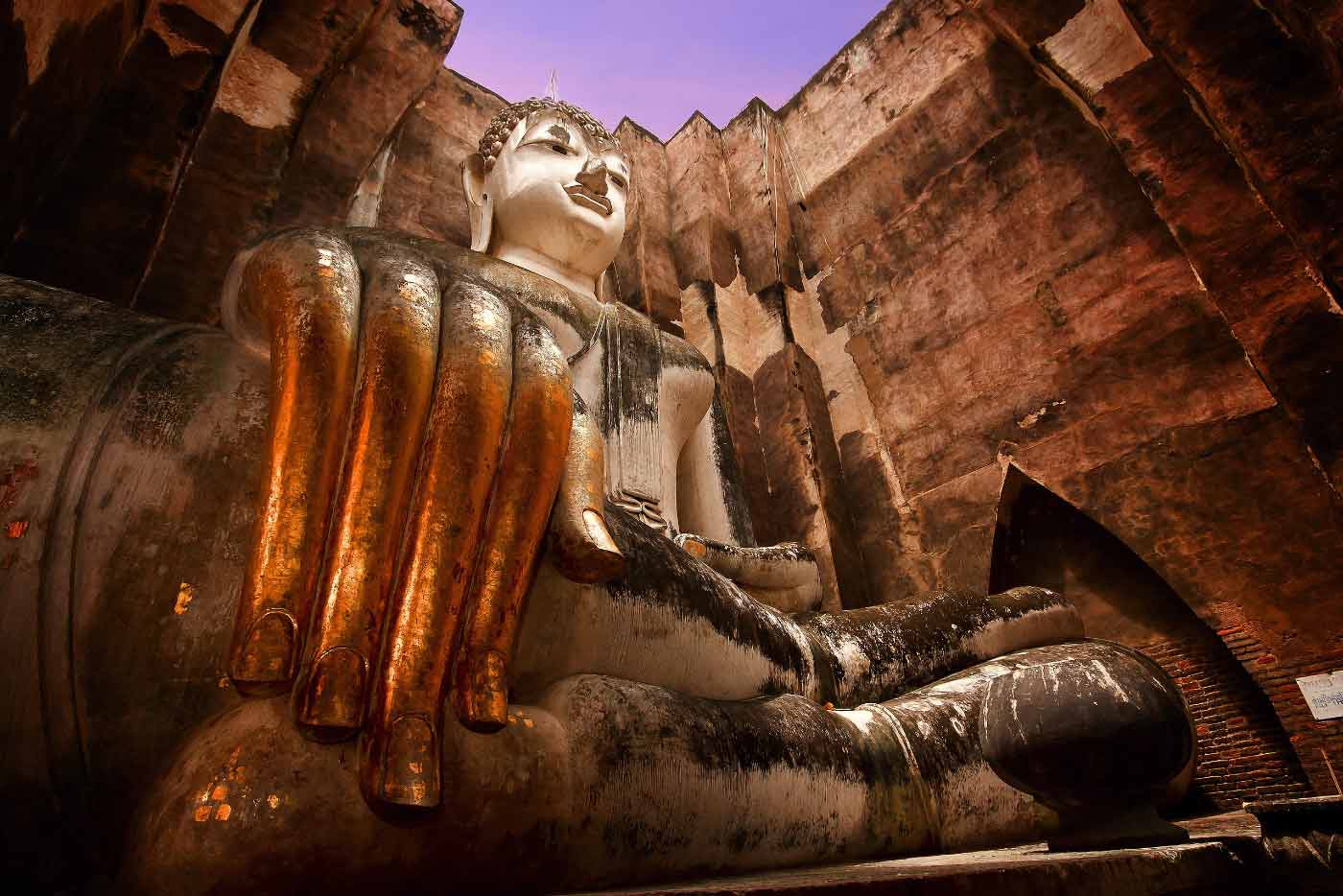
The journey from Mae Sariang to Sukhothai marks a transition from the forested mountains of the north to the open plains of central Thailand. As the day progresses, the mountains give way to wide valleys, rice fields, and traditional farming villages, offering a glimpse into everyday life in rural Thailand. The roads become broader and more flowing as we make our way southeast. Sukhothai is renowned as the birthplace of the first Thai kingdom and is famous for the UNESCO-listed Sukhothai Historical Park, home to impressive ancient temples, Buddha statues, and beautifully preserved ruins.

Distance: approx. 370 km

Day 82: Sukhothai – Bangkok

Our last stretch from Sukhothai to our end destination of Bangkok is one of the longer driving days of the tour, with faster progress made on larger roads and highways as we travel south toward Thailand’s capital. Compared to previous mountain stages, this section is less scenic but allows for efficient travel. The focus of the day is on covering distance comfortably, with smooth riding conditions and regular stops for refreshments and lunch along the way. As we Arrive in Bangkok, we drop off the vehicles at the shipping company and take private transport to our hotel. Thailand’s vibrant capital provides a lively contrast to the quieter regions visited throughout the tour, with its bustling streets, historic temples, and renowned cuisine where we can enjoy the evening to the fullest.

Distance: approx. 430 km

Day 83: End of trip

The official tour ends today. Alternatively, we have the option of extending our trip individually.

Your Most Unforgettable Car Adventure is just a Click away!

Book now your Roadtrip Eurasia Car Tour

Book NOW your „Roadtrip Eurasia Tour“!

Due to the high number of tour requests, you should decide quickly!

Our Next available tours are as follows:

2026
Main tour: 31.07. – 05.10.
Extension: 26.09. – 18.10.

2027
Main tour: 22.07. – 28.09.
Extension: 20.09. – 12.10.

Book now

Included Services

  • All overnight stays in hotels with breakfast. Typical mid-range hotels and in some cities upscale hotels, if available. In Tajikistan, Kyrgyzstan and western Tibet, the accommodation is often quite basic.
  • English-speaking tour guide with own vehicle.
  • Mechanic who accompanies the tour, universal tools, tire repair kit, etc.
  • Changing, local country guides for numerous countries who speak the local language and know the culture. These countries include Turkey, Kazakhstan, Uzbekistan, Tajikistan, Kyrgyzstan and Tibet/China.
  • Support vehicle for technical service.
  • All official permits for Tibet/Temporary import of a foreign-registered vehicle into China:– Temporary Chinese driving license
    – Temporary Chinese license plate
    – Deposit for the vehicle at Chinese customs
    – Legally required vehicle insurance
    – Customs clearance upon entry and exit
    – All permits for China and Tibet
    – All official translations
  • State-approved and required Tibet guide (English speaking) from the Chinese border and for the whole of Tibet
  • All entrance fees according to the program
  • City tours in Istanbul, Safranbolu, Amasya, Bukhara, Samarkand, Khiva, Kashgar, Lhasa, Dali, Shanghai
  • Flight advice Shanghai – Europe at the end of the main trip
  • Hotel parking costs (except Munich for organizational reasons)
  • Support for entry into Turkey, Azerbaijan, the Central Asian states and China
  • Flight from Tbilisi to Aktau
  • All overnight stays in hotels with breakfast. Typical mid-range hotels and in some cities upscale hotels, if available.
  • English speaking tour guide with own vehicle.
  • Mechanic who accompanies the tour, universal tools, tire repair kit, etc.
  • Changing, local country guides for all countries who speak the local language and know the culture. These countries include Laos, Vietnam, Cambodia and Thailand
  • Support vehicle for technical service.
  • All official permits for Vietnam/Thailand. Temporary import of a vehicle registered abroad to Vietnam and Thailand:– legally required vehicle insurance in necessary countries
    – customs clearance upon entry and exit
    – all permits for Vietnam, Cambodia and Thailand
    – all official translations
  • State-approved and mandatory Vietnam guide (in English) from the Vietnamese border and for the whole of Vietnam
  • Shipping Bangkok – Hamburg
  • City tours in Luang Prabang, Hanoi, Siem Reap
  • Flight advice Bangkok – Europe at the end of the extension
  • Hotel parking costs
  • Support for entry into Laos, Vietnam, Cambodia and Thailand
  • All entrance fees according to the program

Excluded Services

  • Long-haul flight from Shanghai back to Germany
  • Vehicle shipping from Shanghai to Hamburg at approx. EUR 5,500 per vehicle, including all port and customs clearance costs.
  • Petrol/diesel, lunch and dinner as well as snacks and drinks
  • Travel cancellation insurance
  • Collection of the cars in Hamburg after return shipping
  • Visa fees
  • Toll fees
  • Vehicle insurance costs
  • Vehicle and passenger costs related to the Caspian Sea ferry crossing
  • Ferry to Baku approx. 1.100€

Excluded Services

  • Long-haul flight from Bangkok back to Germany
  • Vehicle shipping from Shanghai to Hamburg at approx. EUR 6000 per vehicle, including all port and customs clearance costs.
  • Petrol/diesel, lunch and dinner as well as snacks and drinks
  • Travel cancellation insurance
  • Collection of the cars in Hamburg after return shipping
  • Visa fees
  • Toll fees
  • Vehicle insurance costs

Questions & Answers

Will every tour take place exactly as described in the tour itinerary?2021-01-08T23:13:47+01:00

All our itineraries give you a good overview what you will experience and discover when booking with tibetmoto. The itineraries are nevertheless best understood if they are seen as a suggestion rather than as a 100% planned and a thousand times done way of traveling. We like to keep every tour, every adventure, every trip unique and special. We are proud to say that we have never done a trip two times exactly the same way. Our team does not like to offer mainstream tourism tours, and we believe that people enjoy their time best when they have freedom and possibilities to choose from. Freedom and flexibility are very good ingredients to cook an exceptional discovery or adventure, to meet unusual people and visit off-the-beaten-track places.
How does camp life look like on expeditions?2020-11-12T18:02:03+01:00

After arriving at the camp ground we pitch up the tents, our team will set up the mobile kitchen, the electricity generator is being started and we can think of having a cold beer. All supplies and the luggage is carried by our supply truck. We do not have always pre-chosen camp grounds which are always frequented by us, since every expedition is different. Depending on the time in the afternoon we start looking for “the perfect spot”. Perfect spots have a water source such as a river or a lake and a flat piece of land for the tents. Some spots we use more frequently since they are so perfect that the location is hard to beat. Camping together with nomads offers an opportunity to experience their way of live, culture and habits. Sitting in the evening together in a nomad tent somewhere on the Tibetan grassland and listening to Tibetan nomads` songs is a truly genuine experience.

Dinner is being served in a large dining tent where we have tables and chairs to comfortably sit together, eat and drink. The separate, smaller, sleeping tents are designed to accommodate each two people, but if you choose the “single room” option (you will find that option below each expedition itinerary) you will have your own tent. Our tents are army tents where you can almost stand upright. The sleeping “hard wear” is a foldable army field bed, which puts your body about knee height away from the ground. We provide you with the entire hard wear, plus blankets and insulation mats. The only item you should bring along is your personal sleeping bag. If you don´t want to bring your sleeping bag all the way to China we can provide you with a new sleeping bag for a reasonable price.

How is the climate in Tibet?2020-11-11T22:27:20+01:00

The temperature differences between day and night are around 10 degrees or more. Especially in the Himalayan areas it can often get very cool, especially when the sun is not shining. During the travel times of the Tibet motorcycle tour, rain can only occur in exceptional cases. However, you should be prepared for everything and have warm and water-repellent clothing in your luggage.

How are the hotel in Tibet?2020-11-11T22:25:06+01:00

The hotels in which you stay have a decent, but typical three to four star standard. All rooms have a private bathroom, with the exception of the Rongbuk Monastery.

Do I need vaccinations?2020-11-11T22:24:05+01:00

Vaccinations are not required for the Tibet Motorcycle Tour.

Altitude Sickness and Oxygen Supply2020-11-11T22:22:16+01:00

Oxygen:
Starting
from Lhasa we will provide medical oxygen. This can support a person with oxygen for up to 24 hours. Before starting the Tibet Motorcycle Tour, you should also contact a doctor who will prescribe a Diamox. Diamox is a drug that can be taken prophylactically against altitude problems. As a result, groups that take Diamox hardly or not at all experience altitude-related symptoms. For a smooth running of the Tibet Motorcycle Tour, the personal health and well-being of each participant is important. We therefore strongly recommend that you consider taking Diamox.

Which documents do I need?2020-11-11T22:35:03+01:00

You will need your passport, a pass picture, national driving license, international driving license and flight ticket. Please be sure to make photocopies of all of your important travel documents and carry them separately. They can be invaluable in an emergency.

We also need a scan of the Chinese visa six weeks before the tour starts.

All scanned documents should be sent to us on an A4 sheet of original size

What can I expect from an overnight stay with a tibetan host family?2020-11-12T18:01:15+01:00

A home stay is an opportunity to get access into another culture by joining the host family for dinner and breakfast and sleep under their roof, as their guest. Most families live together in a several generation house, from children to old grandparents. A lot of home stays are semi-farms with at least a few cattle such as chicken and cows around the house. Often are fields attached where family member go to work after breakfast. Here, local family and work life can be experienced as it is instead of “only” observing it from the outside.
We believe that joining a home stay is on of the best ways to get in touch which what surrounds you in a foreign country.

How well do I have to be able to ride a motorcycle?2020-11-11T21:59:51+01:00

You should be able to ride a motorcycle safely, especially on winding mountain roads. An uncertainty is common, but you quickly get used to the local traffic. Our tour guide will give the group useful and good tips on riding in China. Before the start of the Tibet and China Motorcycle Tour, there will be an introduction to road traffic behavior.


Do I need a driving license?2020-11-11T21:57:31+01:00

For the Tibet and China motorcycle tour you need a valid national and international driver’s license.

What is the currency in China?2020-11-11T21:56:01+01:00

In China, the currency is the CNY (Chinese Renminbi). The exchange rate is around 1€ to 7.56 CNY (as of 05/2020). The CNY is not a freely convertible currency, so you cannot get it at every bank in Europe. The exchange rate, which is determined by the Bank of China, can be observed under the following link: http://www.boc.cn/sourcedb/whpj/enindex.html

However, we recommend withdrawing a larger amount of CNY from an ATM with all major credit cards or debit cards after arriving in China. Our on-site tour guide is happy to help. Due to the often very poor exchange rate for the CNY in Europe, it is not worthwhile to exchange significant amounts of CNY in Europe. There are also many ATMs in Lhasa where you can withdraw money. Our experience shows that the majority of our participants spend around 20€ a day.

What about my luggage? Where can I transport it?2020-11-11T21:51:45+01:00

The luggage will be transported in the support vehicle. Don’t forget that on domestic flights, the pastries usually cannot exceed 20 kg!

What clothes should I pack?2020-11-11T22:26:29+01:00

For a motorcycle tour you should bring motorcycle clothing including a helmet. Of course you also should pack warm clothing (as layers or as undersuit). It can get cold! You should also bring gloves and a rain suit.

How is the Road Condition?2020-11-11T21:45:13+01:00

The roads on the motorcycle tour are mostly paved (with a few exceptions). Due to the new asphalting of road sections, it can temporarily lead to a poor condition of the road. The paved roads are mostly in good condition. However, there may be isolated potholes or gravel lying on the ground. The route on the motorcycle tour also includes sections with new asphalt, on which you can enjoy European standards or even better. These routes are wonderful to ride! Due to moisture and the difficult to see oil or diesel traces, however, extreme caution is always required!

What is the deposit for renting a motorcycle?2020-11-11T21:42:45+01:00

Deposit for a rental motorcycle (partial cover):

The following cash deposits are required:

Shineray X5 400: EUR 500
BMW G 310 GS: EUR 1,000
BMW F 800 GS: EUR 1,500

If the participant/motorcyclist causes damage during the Tibet motorcycle tour, the deposit is the maximum amount.

Do I need a chinese visa?2024-09-15T11:54:27+02:00

Entry/Visa:

Many nationalities can enter China visa free for up to 15 days. Those include:
Germany, France, Italy, The Netherlands, Spain, Malaysia, Switzerland, Ireland, Hungary, Austria, Belgium, Luxembourg, New Zealand, Australia, Poland.

Your passport must be valid for at least 6 months. Some other nationalities need a visa to enter China.

Should the duration of the stay exceed 15 days, you must apply for the visa yourself or hire an agency to do so. Due to frequent changes in the application procedure, we recommend using an agency. Although you can apply for the visa yourself, it is only slightly more expensive to hire an agency and often saves a lot of work. The visa for China costs approximately EUR 300. More detailed information on the visa can be found in a specific appendix after booking upon request.

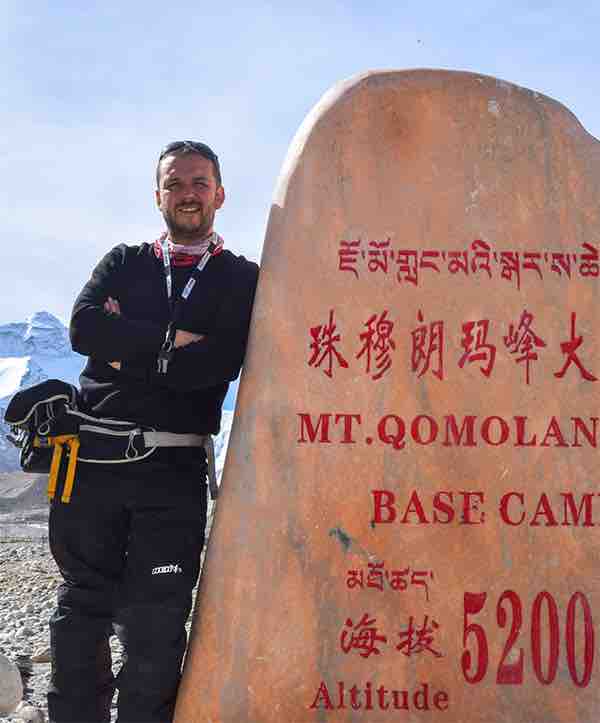
Tour Concept by RC Hendrik
About RC Hendrik
Go to Top